When it comes to constructing a small apartment building, the choice of equipment plays a significant role in ensuring the project is completed efficiently, within budget, and with high-quality results. One of the most effective and versatile pieces of machinery for small-scale construction projects is the portable concrete pumper. This equipment combines the benefits of both a concrete pump and a mobile unit, offering unmatched flexibility, efficiency, and convenience on construction sites. In particular, the mini concrete mixer with pump provides an even more compact solution, ideal for smaller apartment building projects where space and maneuverability are essential.
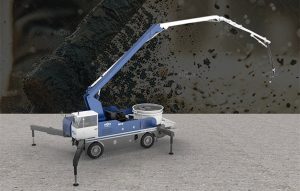
In this article, we will explore essential tips for using a portable concrete pumper effectively when building a small apartment. We’ll cover everything from setup and operation to maintenance, ensuring that contractors and workers can achieve the best results with minimal downtime and maximum performance.
Choosing the Right Concrete Mix
Before you start using a portable concrete pumper, it’s essential to ensure that you’re using the right concrete mix for the project. For a small apartment building, you’ll likely need a high-strength concrete mix, but the exact formulation depends on factors such as the type of foundation, weather conditions, and building requirements. You can either purchase a pre-mixed batch from a supplier or mix your own.
When using a mini concrete mixer with pump, the mix must be consistent, with the correct water-cement ratio, to ensure smooth pumping and proper setting time. It’s important that the concrete is not too thick, as this could cause blockages in the pump. Conversely, a mix that is too runny may result in a weakened foundation. Aim for a mix that has a medium slump, around 4 to 6 inches, for ideal pumpability.
Proper Setup and Placement
Setting up your portable concrete pumper is just as crucial as the mix itself. Since space is often limited on construction sites, especially for smaller projects like a small apartment building, positioning the pump and mixer correctly can save a lot of time and trouble. Here are a few tips for setting up:
Location: Position the pump as close to the pour site as possible to reduce the distance the concrete needs to travel. This reduces strain on the pump and increases efficiency.
Clear the Path: Ensure there are no obstacles in the path where the pump and mixer will be moved. A clear, flat surface ensures the stability of the equipment during operation and minimizes the risk of accidents or equipment failure.
Stabilize the Pump: The portable concrete pumper must be securely positioned. Use leveling devices to make sure the machine is stable, especially if the terrain is uneven. You don’t want the equipment tipping over or shifting during use, as this could lead to accidents or spillage of the concrete.
Checking Equipment and Connections
Before you begin pouring concrete with a portable concrete pumper, inspect the equipment thoroughly. It’s always better to catch any potential issues before the work begins, as running the machine with minor problems could lead to bigger issues down the line.
Pump Inspection: Check the hydraulic system, hoses, and connections to ensure there are no leaks or cracks. Leaky hoses can reduce the efficiency of the pump and could also cause a mess, wasting concrete.
Mixer and Pump Alignment: Ensure that the mini concrete mixer with pump is correctly aligned with the hose and boom. Any misalignment can cause pressure buildup, which may lead to blockages or premature wear on the pump.
Calibration: Make sure the pump is calibrated to the desired pressure and flow rate. An uncalibrated pump can lead to inconsistent concrete delivery, resulting in poor quality in the foundation or other poured areas.
Controlling the Flow and Pressure
Once the setup is complete and the equipment is inspected, it’s time to start pumping concrete. When using a portable concrete pumper, it’s critical to maintain proper control of the flow and pressure to ensure a smooth and even pour.
Start Slow: Begin pumping the concrete at a slow and steady rate. Gradually increase the speed as the mix flows through the hose, allowing the concrete to settle into place without creating air pockets or voids.
Monitor Pressure: Always keep an eye on the pressure gauges to ensure that the pressure remains consistent and within the recommended range. If the pressure becomes too high, you risk damaging the pump or the pipes. Conversely, too low pressure will cause weak or inconsistent pours.
Even Distribution: For the foundation or floor slab of the apartment building, aim to distribute the concrete evenly across the area. This ensures that the mix is compacted properly and avoids creating gaps or weak spots in the foundation.
Maintaining Continuous Concrete Flow
One of the primary advantages of using a mini concrete mixer with pump is its ability to maintain continuous concrete flow, which is essential when pouring large volumes, such as for apartment building foundations. However, keeping the flow consistent is not always easy, especially if you are dealing with multiple floors or narrow spaces.
Manage the Pipeline: Ensure that the pipeline is free from bends, kinks, or any obstacles that could block the flow of concrete. A smooth and straight path is essential for the pump’s efficiency.
Regularly Check for Blockages: Even if everything appears to be running smoothly, it’s wise to periodically stop the pump and inspect the hoses and pump unit for potential blockages. Blockages can occur due to the mix drying out, or aggregates clogging the pump’s mechanism. It’s better to catch these early before they lead to serious issues.
Maintaining the Equipment
Proper maintenance of the portable concrete pumper is vital for ensuring its longevity and preventing malfunctions during critical moments of the project. A well-maintained pump will perform better, reducing downtime and increasing productivity on site.
Daily Cleaning: After each use, clean the pump, mixer, and hoses thoroughly. Concrete can set inside the machinery, leading to wear and tear if not cleaned properly. Use water and a cleaning agent specifically designed for concrete pumps to wash away any residual mix.
Lubrication: Regularly lubricate the moving parts, such as the boom and pump joints, to keep them functioning smoothly.
Component Checks: Inspect the pump’s hydraulic system, electrical connections, and other components regularly to identify any signs of wear or leaks before they become problematic.
Safety Considerations
Safety should always be a top priority when using a portable concrete pumper. Concrete is a heavy and potentially hazardous material, and improper handling or machine operation can lead to accidents and injuries.
Operator Training: Ensure that all operators are fully trained in the use of the mini concrete mixer with pump and understand the machine’s controls, safety features, and emergency procedures.
Personal Protective Equipment (PPE): Operators should wear the appropriate PPE, including gloves, safety goggles, and steel-toed boots, to protect themselves from concrete splashes and potential accidents.
Monitor for Spills: Be mindful of any spillage during the pumping process, as wet concrete can be slippery and dangerous for workers.
Handling the Pouring Process for Multi-Story Buildings
If you’re working on a multi-story apartment building, it’s essential to manage the pumping process in stages. For taller buildings, consider using a secondary boom or pump to reach higher floors efficiently. Using a portable concrete pumper in combination with a secondary pump can ensure that concrete is delivered smoothly and evenly across all levels.
Using a portable concrete pumper for pouring the foundation or structural elements of a small apartment building is a cost-effective and efficient method for concrete delivery. By carefully choosing the right mix, positioning the equipment, controlling the flow and pressure, and maintaining the machinery, you can ensure that your concrete work is completed smoothly, safely, and within the project timeline. By following these tips, contractors can maximize the performance of the mini concrete mixer with pump, achieving superior results and avoiding costly mistakes during construction.
Leave a Reply