Selecting the right concrete pump with boom for a high commercial building construction project is crucial for ensuring that concrete is delivered efficiently and safely to the upper floors. One of the most critical decisions when choosing a pump is determining the boom length that will best suit the specific needs of the project. The boom length, which refers to the extendable arm that carries the concrete through pipes, plays a pivotal role in the pump’s ability to reach higher floors, maneuver around obstacles, and deliver concrete accurately to designated areas.
In this passage, we will explore how to select the most suitable boom length for a concrete pump with boom to meet the demands of high commercial building construction. Understanding the factors that influence boom length selection and the importance of matching these with your project’s requirements will ensure that you have the right equipment for the job.
What is a Concrete Pump with Boom?
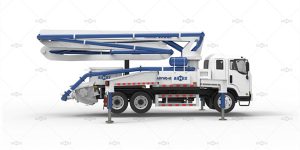
A concrete pump with boom is an advanced type of concrete pump designed with an extendable arm, or “boom,” that allows concrete to be delivered to high and difficult-to-reach areas, such as upper floors of commercial buildings. This pump is particularly advantageous in large-scale construction projects because it provides flexibility in concrete placement, reduces labor costs, and speeds up the pouring process. The boom is typically mounted on a truck, allowing it to be easily moved around the construction site.
The concrete pump with boom can be equipped with various boom lengths, which are usually expressed in meters, depending on the reach required. Longer booms are designed for taller buildings or expansive sites, whereas shorter booms are better suited for smaller projects. When it comes to selecting the right boom length, it is important to balance the need for reach with the constraints of the construction site and the specific requirements of the job.
Key Considerations When Selecting Boom Length for High Commercial Building Construction
1. Height of the Building
The first factor to consider when choosing the suitable boom length is the height of the commercial building being constructed. For high-rise buildings or skyscrapers, a long concrete pump with boom is essential to reach the uppermost floors. Concrete pumps come with booms of varying lengths, typically ranging from 20 meters to over 60 meters. The taller the building, the longer the boom you will need to ensure that concrete can be pumped efficiently to the required heights.
For example, a concrete pump with boom that has a 40-meter or 50-meter boom might be ideal for mid-rise buildings of around 10 to 15 stories. However, for very tall commercial buildings, such as those above 20 stories, a longer boom of 60 meters or more would likely be required to reach the uppermost floors and efficiently place concrete without delays.
2. Reach and Access to Specific Areas
The boom length should not only accommodate the height of the building but also the reach to specific areas where concrete is needed. High commercial buildings often have complex layouts with various design elements, such as overhangs, terraces, or rooftops. You need to assess whether the boom can deliver concrete to different parts of the structure, especially areas that may be difficult to access.
Additionally, consider whether the concrete pump with boom needs to extend horizontally to deliver concrete to distant areas on the same floor or other parts of the building. Longer booms are more versatile and can reach farther horizontally as well as vertically. A pump concrete for sale with a long boom ensures that you can deliver concrete efficiently to various points of the building, even if there are obstructions or the site is not easily accessible.
3. Site Constraints and Maneuverability
While selecting a longer boom may seem like the best choice for reaching higher floors, it is essential to consider the constraints of the construction site. Larger booms can be more difficult to maneuver, especially in tight spaces. For example, narrow streets, adjacent buildings, and other obstacles may limit the ability to fully extend a long boom.
For projects in congested urban areas or areas with limited space, a concrete pump with boom with a shorter boom length may be preferable. While shorter booms may not reach as high, they offer better maneuverability around the site, making them easier to position and control. A pump concrete for sale with a boom of around 20 to 30 meters might be sufficient in such cases, offering a balance between reach and mobility.
4. Type of Concrete and Pumping Distance
Another factor to consider when selecting the boom length is the type of concrete being used and the distance it needs to travel. Different types of concrete, such as lightweight or high-strength concrete, may have different pumping requirements. The concrete mix’s consistency and density can affect the pump’s performance, particularly when pumping to higher floors or over long distances.
If you are dealing with concrete that has a high aggregate content or a dense mix, the pump’s ability to maintain consistent pressure over long distances becomes crucial. In such cases, a longer concrete pump with boom may be necessary to ensure that the concrete is delivered evenly and at a steady rate. Additionally, the distance between the pump and the point of placement will affect the boom length choice. Longer booms can reach further distances, so consider the layout of the building and where the concrete needs to be placed to determine the most suitable boom length.
5. Time Efficiency and Project Deadlines
Time is a critical factor in any commercial construction project. Delays in concrete pouring can lead to extended timelines, increased costs, and inefficiencies. Selecting the appropriate boom length can significantly impact the speed of the concrete placement process. Longer booms allow for fewer setup adjustments, which reduces downtime and enhances the overall efficiency of the project.
However, if the building’s height and site conditions do not require a large boom, opting for a shorter one can help minimize setup time, especially if the site is tight or the pump needs to be moved frequently. Assessing the construction schedule and understanding the project’s timeline will help you decide whether to invest in a longer boom or if a shorter, more agile pump would be better for maintaining productivity on-site.
6. Cost Considerations
While longer booms offer greater reach and flexibility, they tend to be more expensive. The initial purchase price, maintenance costs, and fuel consumption of a concrete pump with boom with a longer reach can add to the overall cost of the project. On the other hand, shorter booms generally come at a lower price and may be sufficient for buildings with fewer stories or simpler layouts.
Before making a final decision, it’s important to evaluate the total cost of using a long boom versus a shorter one, factoring in the cost of equipment rental or purchase, fuel, maintenance, and labor. For some high-rise projects, the additional cost of a longer boom may be justified by the increased efficiency and ability to reach higher floors.
Conclusion
Selecting the appropriate boom length for a concrete pump with boom is a crucial decision for high commercial building construction projects. It requires a careful assessment of factors such as building height, access to specific areas, site constraints, and the type of concrete being used. A longer boom offers increased reach and flexibility, making it ideal for taller buildings and larger pours, while a shorter boom provides better maneuverability and quicker setup in confined spaces.
To ensure optimal performance, you should carefully consider your project’s unique requirements, the layout of the site, and your budget. Working closely with pump concrete for sale suppliers and equipment providers will help you find the perfect match for your high-rise construction project, ensuring that concrete is delivered quickly, efficiently, and safely to every part of the building.
Leave a Reply