A concrete boom pump truck is an essential piece of machinery for modern construction sites, especially in large-scale projects such as high-rise buildings, bridges, and tunnels. It integrates a powerful pumping system with a long, flexible placing boom, allowing concrete to be delivered efficiently and precisely to difficult-to-reach areas. However, while its working efficiency and convenience are impressive, the operation and maintenance expenses of a boom pump truck can be significant if not managed properly. To lower the cost of concrete pump operations, daily maintenance is one of the most effective strategies. Regular care not only prolongs equipment lifespan but also reduces breakdown risks, energy waste, and unexpected repair costs.
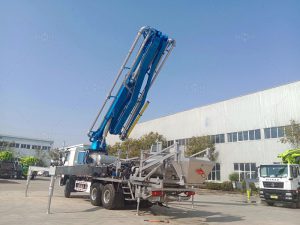
Understanding Operation Cost of a Concrete Boom Pump Truck
Before exploring how to save money through maintenance, it’s important to understand what contributes to the cost of concrete pump operation. Operating expenses generally include fuel consumption, labor, spare parts, hydraulic oil, concrete pipeline wear, and emergency repairs. Neglecting small maintenance tasks often leads to component failures that require expensive replacement, such as boom cylinder damage, hopper blockages, or hydraulic system leaks. Therefore, adopting a daily inspection and maintenance routine directly reduces unnecessary expenditure and improves equipment reliability over time.
Regular Cleaning to Prevent Blockages and Wear
One of the simplest but most effective maintenance steps is cleaning the pumping system after every use. The concrete delivery pipes, hopper, and S-valve are all prone to residue buildup if not properly flushed with water and compressed air. Concrete hardens quickly and causes internal abrasion, leading to pipe cracks or pump blockage. When a pipe bursts due to neglect, not only does it delay the project, but it also increases the cost of concrete pump ownership through downtime and replacement expenses. Daily cleaning ensures smoother pumping performance, reduces mechanical stress, and extends the lifespan of key components such as wear plates and cutting rings.
Lubrication to Reduce Friction and Energy Loss
Another crucial step in lowering the operation cost of a concrete boom pump truck is maintaining the proper lubrication of moving parts. The hopper’s S-tube, swing lever bearings, and boom sections operate under high pressure and heavy load. Insufficient lubrication increases friction, resulting in higher energy consumption and premature component wear. Operators should check the automatic lubrication system daily to make sure grease levels are adequate and that the lines are not blocked. The hydraulic oil should also be kept clean and replaced according to the manufacturer’s recommendations. Regular lubrication not only improves pumping efficiency but also minimizes power loss, indirectly saving on fuel and repair costs.
Inspection of Hydraulic System for Leak Prevention
The hydraulic system is the heart of a concrete boom pump truck, controlling both the pumping action and the boom movement. Leaks in hydraulic lines can cause pressure drops, system overheating, and even catastrophic failure. Every day before operation, the operator should inspect the hydraulic hoses, joints, and cylinders for signs of leakage or cracking. Small leaks that seem insignificant can lead to oil wastage and poor machine response. Repairing them promptly prevents more expensive damage to the hydraulic pump or control valves later. Monitoring oil temperature and pressure levels also helps detect problems early. Through this kind of routine inspection, the total cost of concrete pump operation can be substantially reduced.
Monitoring Boom and Structural Components
The boom system is one of the most critical and expensive components of a concrete boom pump truck. It must be checked daily for deformation, cracks, or abnormal vibrations. If the boom is operated with unnoticed damage, it can cause dangerous accidents and result in very high repair costs. The joints, pins, and welds of the boom sections should be inspected for wear or looseness, and bolts should be tightened when needed. In addition, make sure that the boom unfolding and folding are smooth, and that safety devices such as the boom interlock system are functioning correctly. A well-maintained boom not only improves safety but also significantly lowers the long-term cost of concrete pump operation.
Tire, Chassis, and Engine Maintenance
As a mobile pumping unit, the performance of a concrete boom pump truck also depends on its chassis and engine condition. Daily checks of tire pressure, brake systems, and coolant levels ensure that the truck moves efficiently and safely between job sites. A well-maintained engine burns fuel more efficiently, reducing fuel costs, which make up a large portion of the overall operating expense. In addition, checking air filters, oil filters, and belts helps prevent breakdowns during concrete delivery operations. When operators consistently take care of the truck’s base vehicle, they effectively protect the investment made in the entire pumping system.
Calibration of Control and Safety Systems
Another often-overlooked area of daily maintenance is the control system. The concrete boom pump truck relies on electronic sensors, remote controls, and limit switches to coordinate pumping and boom positioning. If these devices malfunction, it may cause improper pumping pressure or unsafe boom movements. Operators should test the emergency stop button, remote control signals, and pressure gauges each day before starting the pump. Ensuring that these safety and control systems work correctly prevents operational errors and potential accidents that would increase the cost of concrete pump ownership through downtime, liability, and repair bills.
Training Operators for Routine Maintenance
Even the most advanced equipment can only perform as well as its operator’s skill allows. A well-trained operator who understands the machine’s functions, warning signals, and maintenance requirements can significantly extend its service life. Companies should provide periodic training sessions to teach operators how to conduct daily inspections and identify early warning signs. When operators take responsibility for simple maintenance—such as cleaning, checking oil levels, and tightening connections—they help avoid expensive service calls and improve operational efficiency. This human factor plays a vital role in reducing the total cost of concrete pump operation.
Keeping Maintenance Records for Preventive Planning
Finally, keeping accurate maintenance logs helps managers analyze performance trends and anticipate component replacements before failure occurs. By recording daily maintenance data—such as hydraulic pressure readings, oil consumption, and part replacements—companies can schedule preventive maintenance at the optimal time. This approach not only ensures stable performance of the concrete boom pump truck but also helps in budgeting and cost control. Preventive maintenance always costs less than reactive repairs and minimizes downtime losses.
Conclusion
Reducing the cost of concrete pump operation is not just about cutting immediate expenses—it’s about building a habit of care and responsibility that maximizes long-term efficiency. Through consistent daily maintenance, including cleaning, lubrication, inspection, and training, operators can keep their concrete boom pump truck in excellent condition. These simple but vital practices prevent mechanical failures, save energy, and extend service life. As a result, construction companies can enjoy higher productivity, fewer repair bills, and a safer work environment. Ultimately, daily maintenance is the most cost-effective and reliable way to save on operational expenses while ensuring that every cubic meter of concrete is pumped smoothly and efficiently.
Leave a Reply