In South Africa’s rapidly developing construction industry, mobile concrete pumping technology has become a key driver of productivity and project quality. As urban areas continue to expand and infrastructure projects multiply, the mobile concrete pump has become one of the most essential tools for contractors who require both flexibility and efficiency on site. However, owning such equipment also comes with the responsibility of consistent care and maintenance. Proper upkeep not only ensures long-term durability but also improves pumping efficiency, reduces downtime, and lowers operational costs. Whether you are running a small construction firm or managing large-scale infrastructure projects, understanding the best practices for maintaining a concrete pump South Africa can make a major difference in your business performance.
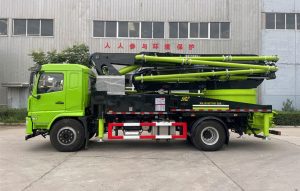
Understanding the Importance of Regular Maintenance
Before diving into specific maintenance steps, it’s important to recognize why maintaining your mobile concrete pump is so critical. These machines operate under extreme conditions—handling heavy materials, high pressure, and long working hours. Without consistent maintenance, problems such as pipe blockages, oil contamination, and wear on the hydraulic system can occur. In South Africa, where many sites face hot climates, dusty conditions, and uneven terrain, the risk of wear and tear is even higher. Neglecting maintenance can result in pump failure, costly repairs, or even safety incidents. Regular servicing of your concrete pump South Africa ensures not only operational efficiency but also compliance with safety regulations and extended equipment lifespan.
Clean the Pump After Every Operation
One of the simplest yet most essential tips for maintaining a mobile concrete pump is cleaning it immediately after every use. Once concrete hardens inside the pipes or hopper, it becomes difficult to remove and can lead to severe blockages. After each job, flush the system thoroughly with water and cleaning balls to ensure no residual concrete remains. In South Africa’s warm weather, concrete tends to dry faster, making quick cleaning even more crucial. Always check the pipelines for any buildup or wear during cleaning—early detection of small cracks or blockages can prevent major issues later on.
Inspect Hydraulic Systems Regularly
The hydraulic system is the heart of every mobile concrete pump, powering the pistons that push concrete through the pipeline. Regular inspection of this system is vital for maintaining smooth operation. Check the hydraulic oil levels and ensure they are always within the manufacturer’s recommended range. Dirty or old hydraulic oil can reduce system efficiency and cause damage to pumps and valves. It is recommended that you change the hydraulic oil and filters at the intervals suggested by the manufacturer, typically after a certain number of working hours. In South Africa’s high-temperature environment, hydraulic systems may require more frequent inspections to prevent overheating and pressure loss.
Lubricate Moving Parts Properly
Lubrication is another key aspect of maintaining your concrete pump South Africa efficiently. All moving components, such as bearings, pistons, and joints, should be regularly greased to reduce friction and wear. Lack of lubrication can cause metal parts to overheat or seize up, resulting in operational delays or expensive replacements. Automatic lubrication systems can be installed on modern mobile concrete pump models to ensure consistent oil flow and minimize human error. However, manual checking is still important—make sure the lubrication system itself is functioning properly and that grease lines are not blocked.
Check the Pumping System Components
The pumping system consists of several vital parts, including the S-valve, wear plate, cutting ring, and delivery cylinders. These parts experience constant pressure and friction during pumping operations, especially when working with coarse or dry mixes. Regular inspection of these parts can prevent sudden failures during work. If you operate in areas of South Africa with dusty or sandy conditions, wear and tear may occur faster, so you should inspect components more frequently. Replace any worn-out parts immediately to maintain consistent pumping performance and prevent material leakage.
Monitor Electrical and Control Systems
Modern mobile concrete pump units are equipped with advanced electrical systems and control panels that manage motor speed, pressure, and output. Periodically check all wiring connections, sensors, and switches to ensure they are functioning properly. Electrical malfunctions can cause erratic behavior in the pump, leading to inconsistent concrete flow or complete shutdown. In South Africa’s humid coastal regions, electrical components may be more prone to corrosion—so using moisture-resistant covers and regular inspection can help prevent such damage.
Maintain Proper Tire and Chassis Conditions
Since a mobile concrete pump is designed to move from site to site, the condition of its tires and chassis should never be ignored. Always check tire pressure before traveling, and inspect the chassis for cracks, rust, or loose bolts. South Africa’s diverse terrains—from city highways to rural construction areas—can be tough on vehicle components. Regular maintenance of the mobility system ensures safe transportation and stable positioning during pumping operations. A well-maintained chassis also prevents vibration damage to sensitive pumping parts during transit.
Conduct Scheduled Professional Servicing
While daily inspections and basic maintenance can be handled by your crew, periodic professional servicing is equally important. Authorized service technicians have specialized tools and experience to identify hidden issues that may not be visible during routine checks. They can perform detailed diagnostics on hydraulic systems, control units, and engine performance. In South Africa, many local distributors of mobile concrete pump equipment provide maintenance packages and genuine spare parts to ensure long-term reliability. Scheduling professional maintenance every few months—or based on operating hours—can help you catch problems early and save significant repair costs in the long run.
Train Operators on Best Practices
Even the best-maintained concrete pump South Africa can fail if it is operated incorrectly. Investing in proper operator training is one of the most effective ways to protect your equipment. Operators should understand load limits, pumping speeds, and pressure management techniques. They must also be trained to recognize early warning signs of mechanical problems such as irregular pressure readings, oil leaks, or unusual noises. In South Africa, several equipment suppliers and training centers offer certified programs that teach proper operation and safety measures for mobile concrete pump use.
Keep Accurate Maintenance Records
Documenting all maintenance activities is a professional habit that every contractor should adopt. Keeping detailed records of oil changes, part replacements, inspections, and repairs helps track the machine’s condition over time. These records are also useful for resale value and warranty claims. For companies managing multiple concrete pump South Africa units, digital maintenance logs can help schedule servicing more efficiently and ensure no equipment is overlooked.
Conclusion
Maintaining a mobile concrete pump in South Africa requires a proactive and disciplined approach. From cleaning after every operation to monitoring hydraulic systems and ensuring proper lubrication, every step contributes to longer equipment life and higher productivity. Given South Africa’s demanding working conditions—heat, dust, and diverse terrains—routine inspection and professional servicing are even more important. By following these maintenance tips, contractors can minimize unexpected breakdowns, reduce operating costs, and keep their concrete pump South Africa fleet in peak condition. Ultimately, consistent maintenance is not just about protecting equipment—it’s about ensuring smooth, uninterrupted project performance that keeps your business competitive in South Africa’s growing construction market.
Leave a Reply