When it comes to bridge construction, concrete pouring plays a decisive role in determining the durability, load-bearing capacity, and smooth finish of the structure. Among all the machinery used in this process, concrete pumping equipment has become indispensable due to its ability to transport concrete efficiently to elevated or difficult-to-reach bridge sections. Today, many concrete pumps suppliers provide specialized machines that ensure consistent performance, high productivity, and minimal wastage during bridge pouring operations. Understanding the types of portable concrete pumps and other related pumping systems recommended by suppliers can help contractors and engineers choose the most suitable equipment for their bridge projects.
The Importance of Concrete Pumping Equipment in Bridge Construction
Bridge construction projects often present complex challenges, including long horizontal distances, high vertical lifts, and narrow working platforms. Therefore, concrete pumps suppliers generally recommend equipment that is versatile, powerful, and easy to move. There are several main categories of concrete pumping equipment used for bridge projects: trailer-mounted concrete pumps, truck-mounted boom pumps, and portable concrete pumps. Each of these types serves different requirements based on the project scale, bridge height, and site accessibility.
Trailer-Mounted Concrete Pumps for Long-Distance Pouring
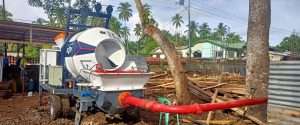
One of the most frequently recommended options is the trailer-mounted concrete pump. This type of concrete pumping equipment is known for its excellent pressure performance and long-distance conveying capacity. It is particularly useful for bridges that require concrete delivery over hundreds of meters or to high piers where cranes or manual transportation are impractical. Trailer pumps can handle both horizontal and vertical pumping efficiently and are often powered by either diesel or electric engines.
Concrete pumps suppliers typically advise contractors to choose diesel-powered versions for outdoor bridge projects, as they offer better adaptability in remote areas with limited electricity. Furthermore, trailer-mounted concrete pumps have a compact structure, which allows them to be positioned conveniently on narrow bridge access roads or temporary platforms without causing site congestion.
Truck-Mounted Boom Pumps for Large Bridge Projects
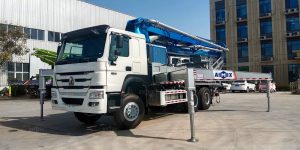
In larger bridge projects where high volumes of concrete need to be poured quickly and continuously, truck-mounted boom pumps are another type of concrete pumping equipment that suppliers recommend. These machines integrate a high-capacity pump with a hydraulic placing boom, which can extend to reach bridge decks, pillars, and arches efficiently. The articulated boom design allows flexible movement, making it possible to pour concrete directly into hard-to-access areas without using additional pipelines.
For large-scale bridge pouring, concrete pumps suppliers highlight the advantage of boom pumps’ high output rates and mobility. They can easily move from one section of the bridge to another, significantly reducing downtime between pours. In addition, truck-mounted boom pumps help maintain consistent concrete flow, which is crucial for preventing cold joints and ensuring the structural integrity of the bridge.
Portable Concrete Pumps for Medium and Small Projects
For smaller or medium-sized bridge projects, portable concrete pumps are often the top recommendation from suppliers. These pumps combine the efficiency of a traditional concrete pump with the flexibility of easy transport and quick setup. Portable concrete pumps are ideal for bridge repairs, maintenance, or smaller deck sections where large equipment cannot be deployed.
Concrete pumps suppliers emphasize that portable units are not only cost-effective but also user-friendly. They can be operated by a small crew, require less setup time, and consume less fuel compared to heavy truck-mounted systems. Some modern portable pumps come with remote control functions, enabling precise operation and safety during the pouring process.
Essential Accessories for Bridge Concrete Pumping
Apart from these main categories, suppliers also provide additional concrete pumping equipment accessories that enhance the performance of the main pumps. For bridge construction, these include high-pressure pipelines, rubber hoses, and placing booms that can be customized to meet specific site conditions.
Concrete pumps suppliers recommend using wear-resistant pipes and flexible hoses to ensure smooth concrete flow even when pumping over long distances or around curves. These accessories are essential for maintaining stable pressure and preventing blockages during continuous bridge deck pouring.
Matching Equipment with Concrete Mix and Site Conditions
Another important factor that concrete pumps suppliers consider when recommending equipment for bridge pouring is the type of concrete being used. High-strength concrete mixes with low water-to-cement ratios are common in bridge construction, and they can be more demanding to pump. In such cases, suppliers suggest selecting pumps with strong output pressure and larger diameter delivery cylinders.
Portable concrete pumps with advanced hydraulic systems can handle thicker mixes efficiently while maintaining consistent flow. For projects involving long pumping distances or high bridge piers, the choice of a pump with high pumping pressure is crucial to ensure the concrete reaches the target location without segregation or loss of quality.
Technological Improvements and Maintenance Recommendations
Modern concrete pumping equipment is increasingly integrated with smart technology, improving safety and precision in bridge projects. Many suppliers now offer digital monitoring systems that track pump performance, pressure levels, and material flow in real-time. This allows contractors to make timely adjustments, reducing the risk of pump blockages or uneven concrete placement.
Concrete pumps suppliers also stress the importance of proper equipment maintenance. Regular inspection of wear parts such as pistons, delivery pipes, and valves ensures long-term performance and prevents unexpected downtime during critical bridge pouring stages.
Choosing the Right Equipment Combination
Another recommendation frequently mentioned by concrete pumps suppliers is to match the pumping equipment size to the project’s overall design and schedule. For example, if the bridge construction requires simultaneous pouring of multiple sections, having a combination of truck-mounted boom pumps and portable concrete pumps can improve efficiency.
The boom pump can handle large, open areas of the bridge deck, while portable units manage smaller, detailed areas around support structures. This strategic combination not only optimizes manpower and fuel consumption but also enhances the quality and speed of concrete placement.
Conclusion
In conclusion, bridge construction demands reliable and high-performance concrete pumping equipment to achieve durable and uniform structures. Professional concrete pumps suppliers recommend a variety of options—including trailer-mounted pumps, truck-mounted boom pumps, and portable concrete pumps—based on the size, complexity, and site conditions of the bridge project.
Each type of equipment offers unique advantages, from high pressure and long-distance pumping to mobility and cost efficiency. By selecting the right combination of pumps and accessories, contractors can ensure smooth, safe, and efficient concrete delivery during bridge pouring operations. Ultimately, the choice of equipment not only affects the construction timeline but also directly influences the overall quality and longevity of the bridge structure.
Leave a Reply