The operational efficiency of small concrete pumps is fundamentally challenged by the occurrence of pipeline blockages, an issue that can halt productivity, increase labor costs, and potentially damage the concrete pump equipment if not addressed promptly and correctly. A blockage within the system of a small concrete pump represents more than a simple mechanical failure; it is typically a symptom of an underlying issue related to concrete mix design, operational practice, equipment setup, or environmental conditions. For operators and project managers relying on this versatile concrete pump equipment, developing a systematic understanding of blockage causes, prevention strategies, and safe resolution techniques is paramount to maintaining project timelines and ensuring the economic viability of using this technology. Unlike larger, industrial-grade systems with more robust tolerances, small concrete pumps operate with narrower pipeline diameters and often in more variable on-site conditions, making them particularly susceptible to material flow interruptions. This comprehensive guide will detail the procedural methodology for diagnosing, clearing, and preventing blockages, emphasizing a safety-first approach that protects both personnel and the integrity of the concrete pump equipment. The goal is to transform a reactive panic into a calm, procedural response, ensuring minimal downtime and maximizing the reliable performance that makes small concrete pumps indispensable for a wide array of construction projects.
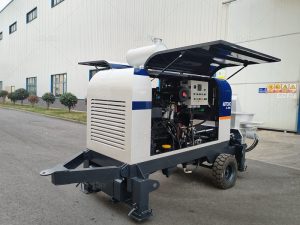
Proactive Prevention Through Mix Design and Machine Setup
The most effective strategy for fixing a blockage is to prevent it from occurring in the first place, which begins long before the concrete pump equipment is started on the job site. The concrete mix design is the single most critical factor influencing flowability. A mix intended for pumping must have adequate workability, typically achieved with a proper water-cement ratio and the inclusion of additives like superplasticizers, which reduce friction without compromising strength. The aggregate gradation is equally vital; poorly graded concrete with an excess of large, angular aggregate or a deficiency of fine material (fines) will separate under pressure, causing the paste to lubricate the pipe while the aggregate locks together to form a plug. Before commencing any pour with small concrete pumps, it is essential to verify that the delivered mix meets pumping specifications, often requiring a slump test to ensure consistency. Concurrently, the physical setup of the concrete pump equipment plays a foundational role in prevention. The pipeline must be installed with as few sharp bends as possible, and all connections must be perfectly aligned and securely tightened to prevent any internal misalignment that creates a friction point. For longer horizontal runs, properly supporting the pipeline to prevent sagging or movement is crucial, as any deviation can cause material to settle. Furthermore, the initial lubrication of the pipeline, known as “priming” or “wetting,” is a non-negotiable step. This involves pumping a slurry of cement, sand, and water or a commercially available pumping aid through the system before introducing the structural concrete. This slurry coats the pipe walls, drastically reducing the initial friction and creating a smooth path for the concrete column to follow, significantly lowering the risk of an early blockage in the small concrete pump.
Real-Time Operational Practices to Maintain Steady Flow
Once pumping begins, the operator’s vigilance and technique become the primary guardians against blockages. The fundamental rule is to maintain a steady, consistent flow of concrete. Starting the pump at a low speed and gradually increasing to the desired output allows the material to establish a uniform column within the pipeline. Irregular pumping, such as frequent stops and starts or drastic changes in speed, disrupts this column and can cause the concrete to segregate, with the heavier aggregates settling and the mortar sliding ahead, creating a perfect scenario for a blockage to form in the concrete pump equipment. It is imperative to always keep the pump’s hopper at least half full; allowing the hopper to run low risks sucking air into the system, which creates an air pocket that breaks the concrete column’s continuity and can instantly cause a plug. The crew member handling the discharge hose must also be trained to avoid practices that increase backpressure, such as kinking the hose or placing the nozzle directly against a formwork surface, which restricts flow. Effective communication between the hose operator and the pump operator is essential, especially when a brief pause is needed. In such cases, the pump should be run in reverse for a few strokes every few minutes to relieve pressure within the line without fully stopping the material column, a technique that helps keep the small concrete pump system clear during unavoidable work stoppages.
Diagnosing the Blockage Location and Type
When a blockage is suspected—often signaled by a sudden increase in hydraulic pressure, a slowing of output, or an unusual sound from the pump—the immediate response must be diagnostic, not forceful. The first step is to immediately stop pumping to prevent worsening the plug. Do not attempt to clear it by increasing the pump pressure to maximum, as this can dangerously overpressurize the system, potentially causing a pipeline rupture or damaging the concrete pump equipment. The next step is to identify the blockage’s likely location. By carefully feeling along the pipeline (while being cautious of hot surfaces), one can often detect a temperature change; the blocked section will feel cooler than the sections still filled with freshly moving concrete. Tapping the pipe with a wrench can also provide an auditory clue, as a solid plug will produce a higher-pitched, ringing sound compared to the dull thud of a pipe filled with fluid concrete. For small concrete pumps with transparent delivery hoses or inspection ports, a visual check can be invaluable. Understanding the type of blockage is also helpful. A “starter” blockage often occurs in the first 20-30 feet of the pipeline due to inadequate lubrication or a poor initial mix. A “line” blockage can happen anywhere due to a segregation event or a pipeline defect. A “separation” blockage, where the mortar has pumped ahead leaving a plug of aggregate, is common and requires a specific clearing approach.
Safe and Systematic Blockage Clearing Procedures
With the location diagnosed, a safe, step-by-step clearing procedure must be followed. The universal first attempt for most blockages in small concrete pumps is to use the pump’s own reverse function. Engage the reverse pumping mode for several strokes. This action often pulls the concrete plug back toward the hopper, breaking it up or allowing it to be remixed with fresh material. If reversing is unsuccessful, the next step is to carefully disassemble the pipeline, starting from the discharge end and working backward toward the pump. Before disconnecting any coupling, ensure the system pressure is fully released. Remove sections of the pipe until you locate the solid plug. Once the blocked section is isolated, the concrete can be manually removed using appropriate tools. After clearing, reassemble the pipeline, ensuring all seals are clean and connections are tight. In cases where the blockage is stubborn and located far from either end, a pressurized clearing method may be employed with extreme caution. This involves inserting a specialized cleaning sponge ball or “pig” into the line and using compressed air or water pressure behind it to push the plug out. This method is hazardous and should only be performed by trained personnel, following the concrete pump equipment manufacturer’s strict guidelines, as improper use can turn the pipeline into a dangerous projectile. Throughout any clearing operation, all personnel must stand clear of the pipeline ends and wear appropriate personal protective equipment.
Post-Clearance Protocols and Long-Term System Health
Successfully clearing a blockage is only half the battle; the subsequent actions determine how quickly operations can resume safely and how to prevent a recurrence. Once the pipeline is reassembled, the system must be thoroughly re-primed before pumping concrete resumes. Pump a lubricating slurry through the line to re-coat the walls. Examine the concrete mix in the hopper; if it has begun to stiffen or shows signs of severe segregation, it may be necessary to discard it and start with a fresh batch. Before returning to full production, pump at a slow, steady rate to re-establish a stable concrete column in the line. After the job is complete, a rigorous cleaning routine is the best long-term prevention strategy. Flush the entire system of the small concrete pump with water, using cleaning balls if available, to remove all residual concrete before it can harden. Inspect all pipeline sections, especially couplings and bends, for wear or internal scoring that could become a future nucleation point for blockages. Regular maintenance of the concrete pump equipment, including checking valve seals, piston cups, and hydraulic pressure settings, ensures the machine is operating within its optimal parameters, providing consistent force to move the concrete without undue strain that can contribute to material separation. By integrating these diagnostic, procedural, and maintenance disciplines, operators can significantly reduce the frequency and impact of blockages, ensuring their small concrete pumps remain reliable partners in achieving efficient concrete placement.

Leave a Reply