When people in the construction industry plan to purchase a trailer mounted concrete pump, they often compare different models, performance levels, and suppliers. However, one factor that many buyers tend to underestimate at the beginning is how much the supporting accessories such as pipelines or hoses can influence the overall concrete pump machine price. These pumps are versatile machines, but they rely heavily on their delivery systems to perform efficiently, safely, and cost-effectively. Understanding how pipelines and hoses affect not only working efficiency but also the total purchase and maintenance cost is critical for contractors who want to make an informed investment decision.
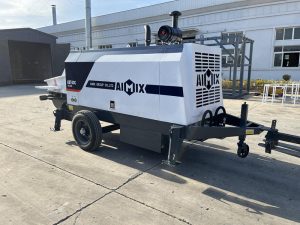
Role of Pipelines and Hoses in Trailer Mounted Concrete Pumps
A trailer mounted concrete pump is designed to transport ready-mixed concrete through pipelines to the required location, whether it is on the ground, at a distance, or at elevated positions in high-rise buildings. The machine itself provides the pumping force, but it cannot function without hoses and pipes. Pipelines and hoses act as the “veins” of the system, guiding the flow of concrete from the hopper to the construction site. The length, diameter, and material of these pipelines directly determine the pump’s efficiency, pressure requirements, and maintenance demands. This connection makes them an important factor influencing the total concrete pump machine price.
Material Quality and Its Impact on Price
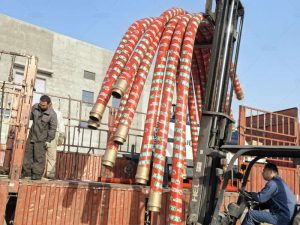
One of the most noticeable ways pipelines and hoses affect pricing is through their material quality. For example, ordinary steel pipes are cheaper but wear out quickly when pumping abrasive concrete mixes. High-quality hardened steel pipes or those with special linings such as ceramic coatings can last significantly longer, but they raise the initial purchase cost. The same applies to rubber hoses. Low-grade hoses may crack under high pressure or fail after a few months of frequent use, which means additional replacement costs. On the other hand, premium hoses with reinforced layers may seem expensive at first, but they reduce long-term expenses. When calculating the concrete pump machine price, buyers must take into account whether the supplier includes basic pipelines and hoses or requires separate purchases, since the difference in material quality can add thousands of dollars to the total investment.
Influence of Pipeline Length on Pump Requirements
Pipeline length is another factor that affects both machine performance and pricing. A trailer mounted concrete pump must overcome frictional resistance when concrete travels through pipes. The longer the delivery distance, the higher the pumping pressure required. This means that if a project demands long pipelines, the buyer may need to purchase a higher-capacity machine that costs more. For example, a small pump suitable for short-range pumping may have a relatively low concrete pump machine price, but once the buyer considers the need for 200–300 meters of pipelines, they may realize that a stronger machine with higher pressure output is required. In other words, the design and cost of the delivery pipeline directly influence the choice of pump model, which in turn affects the overall investment.
Impact of Pipeline Diameter on Machine Selection
In addition to length, the diameter of pipelines also plays a critical role. Smaller diameter pipes are cheaper and lighter, but they increase pumping resistance and may cause blockages if the concrete mix has larger aggregates. Larger diameter pipes reduce resistance and enable higher pumping output, but they require more powerful pumps. This means that choosing a different pipe size could force the buyer to consider a larger-capacity trailer mounted concrete pump, leading to an increase in the concrete pump machine price. Contractors need to balance pipe cost and pump cost carefully, ensuring that the combination delivers reliable performance without unnecessary spending.
Replacement and Maintenance Costs
Pipelines and hoses are wear parts that require regular replacement. Even with high-quality materials, they gradually wear out due to constant friction from concrete flow. A buyer who focuses only on the initial concrete pump machine price may be surprised later by high maintenance expenses if pipelines or hoses are of poor quality. Frequent replacements not only increase costs but also delay project progress. On the other hand, if a supplier offers durable pipelines and hoses as part of the pump package, the upfront price may seem higher, but overall operating costs will be lower. This is why contractors need to evaluate both machine and accessory costs together rather than looking at them separately.
Influence of Hose Flexibility and Site Conditions
Hoses, especially the flexible ones used near the placing end, also influence costs in subtle ways. A flexible and durable hose makes it easier to deliver concrete in tight or complex spaces, which saves labor and reduces the risk of accidents. However, hoses with greater flexibility and strength generally cost more. If the project involves frequent maneuvering in narrow spaces, choosing higher-quality hoses is wise even if it increases the total concrete pump machine price, because it improves efficiency and safety.
Transportation and Installation Factors
Longer or larger pipelines are not only expensive to buy but also to transport and install. Heavy pipelines require additional manpower, cranes, or even vehicles for movement. This indirectly increases the total cost of owning and operating a trailer mounted concrete pump. When buyers evaluate the concrete pump machine price, they should include not just the pump but also these associated logistical expenses caused by pipeline design. Suppliers sometimes offer package solutions where the pump and standard pipelines are included, making it easier for contractors to control total investment.
Long-Term Value vs. Initial Cost
Finally, it is important to emphasize the balance between initial and long-term costs. While low-cost pipelines and hoses may reduce the upfront concrete pump machine price, they often result in higher lifetime expenses due to frequent replacement, downtime, and inefficiency. Conversely, higher-quality accessories may increase the purchase price but save significant money over years of use. Contractors who focus on long-term profitability usually view pipelines and hoses not as minor extras but as integral parts of the investment.
Conclusion
In summary, the cost of a trailer mounted concrete pump is not just about the machine itself. Pipelines and hoses, which serve as the delivery system for concrete, play a central role in determining both the required pump capacity and the overall concrete pump machine price. Factors such as pipeline material, length, diameter, maintenance frequency, hose flexibility, and even transportation logistics can all add to or reduce the total investment. Buyers who understand these connections will be able to make better purchasing decisions, selecting a combination of pump and accessories that matches their project needs while keeping costs under control. By looking beyond the initial sticker price and considering how pipelines and hoses influence performance and expenses, contractors can achieve higher efficiency, safety, and profitability in their concrete pumping operations.
Leave a Reply