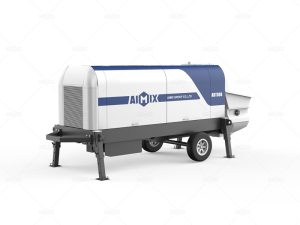
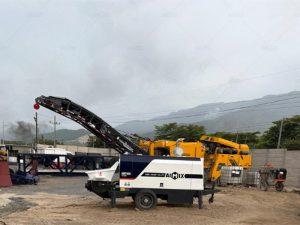
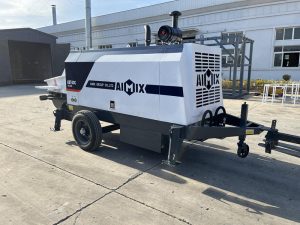
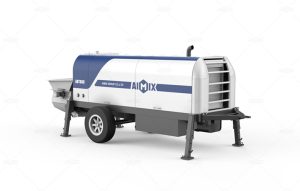
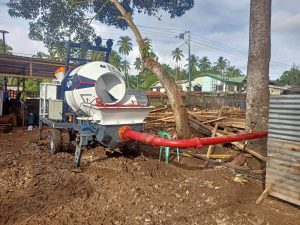
Concrete pumps are essential machines in modern construction projects, offering efficiency and precision when placing concrete in high-rise buildings, large foundations, tunnels, and bridges. Contractors often calculate their expenses carefully, and one of the most significant factors that affect profitability is the cost of concrete pump operation. While many consider fuel, maintenance, and labor as the main contributors to cost, extreme weather also plays a critical role. Conditions such as heavy rain, scorching heat, freezing temperatures, or strong winds can all influence how stationary concrete pump models and other types operate. Understanding this relationship helps construction companies plan better, avoid unexpected expenses, and maintain safe and efficient project schedules.
The Connection Between Weather and Pump Operation
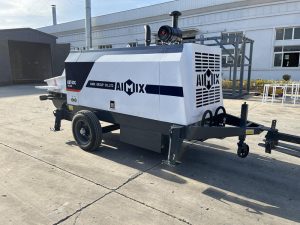
Weather is often unpredictable, and construction projects must adapt accordingly. When contractors calculate the cost of concrete pump operation, they must factor in how weather conditions impact fuel efficiency, wear and tear, maintenance frequency, and productivity. For example, a stationary concrete pump may consume more energy during cold conditions because the hydraulic oil thickens, making the pump system work harder. Similarly, high heat may lead to overheating risks, forcing temporary shutdowns that increase labor and time costs. Recognizing these influences is essential for accurate budgeting and smooth project execution.
Impact of High Temperatures
Extreme heat is one of the most common weather challenges in many parts of the world. When temperatures rise significantly, several issues emerge that affect the cost of concrete pump operation. Hydraulic systems, which are central to stationary concrete pump function, are sensitive to heat. Excessive heat can thin out hydraulic oil, reducing lubrication efficiency and accelerating component wear. This results in more frequent maintenance, which raises operating costs.
Additionally, high temperatures cause concrete to set faster. This means operators must work more quickly to pump the mixture before it hardens. Any delays or blockages in the pump system can waste material and increase overall expenses. In some cases, cooling systems or additives must be used to slow down the curing process, which adds to project costs. For companies evaluating long-term efficiency, high-heat environments often require more robust equipment, and this affects the total cost of concrete pump ownership.
Influence of Cold Weather
Cold weather poses a different set of challenges. When temperatures drop, the water in concrete can freeze, causing mix quality issues and even blockages in pipelines. To counter this, contractors often need to use heating equipment or chemical additives, both of which increase operating costs. Moreover, in a stationary concrete pump, low temperatures make hydraulic oil thicker, requiring the system to exert more effort. This higher strain translates to greater fuel consumption and accelerated wear on components.
In regions that frequently experience frost, storage and maintenance also become critical cost factors. Pumps must be kept in insulated spaces or have their fluids drained after use to prevent freezing damage. Repairs caused by cold-weather damage can be expensive, adding significantly to the cost of concrete pump operation.
Challenges in Rainy Conditions
Heavy rainfall is another weather condition that directly influences pumping costs. For outdoor construction sites, rain can turn ground surfaces muddy, making it difficult to move equipment and set up stable foundations for stationary concrete pump units. In such cases, additional work is required to reinforce the ground with gravel or mats, adding extra expenses.
Rainwater also increases the risk of contamination in concrete mixes. If water enters the pump hopper, it can weaken the mix and reduce structural quality. This often results in rejected batches, wasted material, and financial losses. Operators may need to use protective coverings or temporary shelters for the pump and pipelines, which increases setup costs. Moreover, rainy conditions slow down construction productivity, meaning more labor hours and higher costs per cubic meter of pumped concrete.
Effects of Windy Conditions
While wind may not seem as impactful as heat or cold, it can still affect concrete pumping operations. Strong winds can make it difficult to handle booms and hoses, particularly when pouring concrete at heights. Safety measures must be intensified, and work may need to be delayed during periods of extreme wind. For stationary concrete pump systems with extended pipelines, securing hoses and reducing movement takes additional time and resources, which indirectly raises operational costs.
Maintenance and Weather-Related Costs
One of the less obvious ways extreme weather affects the cost of concrete pump operation is through increased maintenance. For instance, dust storms in hot and dry climates can clog filters and wear out moving parts. Rain and humidity can accelerate corrosion in pipelines and pump components. Freezing temperatures can crack hoses and fittings. Each of these weather-related issues leads to more frequent part replacements and servicing, which adds to the overall operating budget. For stationary concrete pump users, scheduling preventive maintenance during extreme weather seasons is a smart way to manage costs, even though it involves upfront expense.
Strategies to Control Weather-Related Costs
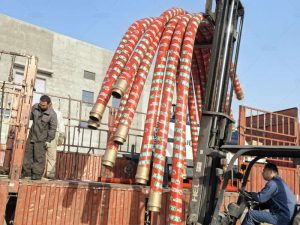
Despite these challenges, construction companies can adopt strategies to minimize the impact of extreme weather on operational costs. Using weather-resistant materials, such as wear-resistant pipes and hoses, helps reduce damage. Choosing the right model of stationary concrete pump with advanced cooling or heating systems can also improve performance in harsh climates. Scheduling work during favorable weather conditions, or adjusting pouring times to early mornings or evenings in hot climates, helps balance efficiency and safety.
Additionally, investing in proper operator training ensures that workers know how to handle pumps in challenging conditions. For instance, operators trained to handle cold-weather concreting will preheat pumps and add antifreeze agents when necessary. While these strategies involve initial investment, they prevent much larger expenses caused by delays, repairs, or wasted materials, keeping the overall cost of concrete pump operation under control.
Conclusion
Extreme weather has a significant influence on the cost of concrete pump operation, affecting everything from fuel efficiency and maintenance to safety measures and material waste. High heat accelerates wear and speeds up concrete setting, cold weather causes freezing challenges, rain complicates site preparation, and wind affects safety and precision. Stationary concrete pump users, in particular, must account for these factors since their equipment often operates in the same spot for extended periods. By planning carefully, investing in weather-appropriate equipment, and training operators, contractors can minimize additional costs and maintain efficiency. Ultimately, acknowledging the role of weather ensures that companies make realistic budgets and maximize the value of their investment in concrete pumping equipment.