Blog

  • How Does Extreme Weather Influence Cost of Concrete Pump Operation

    Concrete pumps are essential machines in modern construction projects, offering efficiency and precision when placing concrete in high-rise buildings, large foundations, tunnels, and bridges. Contractors often calculate their expenses carefully, and one of the most significant factors that affect profitability is the cost of concrete pump operation. While many consider fuel, maintenance, and labor as the main contributors to cost, extreme weather also plays a critical role. Conditions such as heavy rain, scorching heat, freezing temperatures, or strong winds can all influence how stationary concrete pump models and other types operate. Understanding this relationship helps construction companies plan better, avoid unexpected expenses, and maintain safe and efficient project schedules.
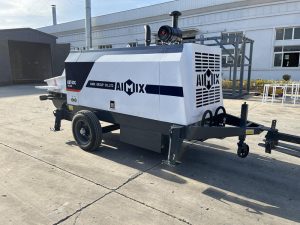
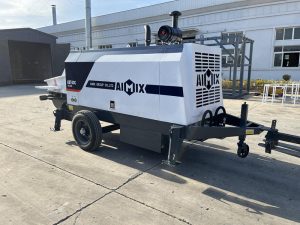
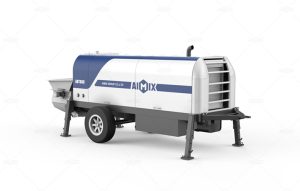
    Diesel Concrete Line Pump Trailer in factory

    The Connection Between Weather and Pump Operation

    Weather is often unpredictable, and construction projects must adapt accordingly. When contractors calculate the cost of concrete pump operation, they must factor in how weather conditions impact fuel efficiency, wear and tear, maintenance frequency, and productivity. For example, a stationary concrete pump may consume more energy during cold conditions because the hydraulic oil thickens, making the pump system work harder. Similarly, high heat may lead to overheating risks, forcing temporary shutdowns that increase labor and time costs. Recognizing these influences is essential for accurate budgeting and smooth project execution.

    Impact of High Temperatures

    Extreme heat is one of the most common weather challenges in many parts of the world. When temperatures rise significantly, several issues emerge that affect the cost of concrete pump operation. Hydraulic systems, which are central to stationary concrete pump function, are sensitive to heat. Excessive heat can thin out hydraulic oil, reducing lubrication efficiency and accelerating component wear. This results in more frequent maintenance, which raises operating costs.

    Additionally, high temperatures cause concrete to set faster. This means operators must work more quickly to pump the mixture before it hardens. Any delays or blockages in the pump system can waste material and increase overall expenses. In some cases, cooling systems or additives must be used to slow down the curing process, which adds to project costs. For companies evaluating long-term efficiency, high-heat environments often require more robust equipment, and this affects the total cost of concrete pump ownership.

    Influence of Cold Weather

    Cold weather poses a different set of challenges. When temperatures drop, the water in concrete can freeze, causing mix quality issues and even blockages in pipelines. To counter this, contractors often need to use heating equipment or chemical additives, both of which increase operating costs. Moreover, in a stationary concrete pump, low temperatures make hydraulic oil thicker, requiring the system to exert more effort. This higher strain translates to greater fuel consumption and accelerated wear on components.

    In regions that frequently experience frost, storage and maintenance also become critical cost factors. Pumps must be kept in insulated spaces or have their fluids drained after use to prevent freezing damage. Repairs caused by cold-weather damage can be expensive, adding significantly to the cost of concrete pump operation.

    Challenges in Rainy Conditions

    Heavy rainfall is another weather condition that directly influences pumping costs. For outdoor construction sites, rain can turn ground surfaces muddy, making it difficult to move equipment and set up stable foundations for stationary concrete pump units. In such cases, additional work is required to reinforce the ground with gravel or mats, adding extra expenses.

    Rainwater also increases the risk of contamination in concrete mixes. If water enters the pump hopper, it can weaken the mix and reduce structural quality. This often results in rejected batches, wasted material, and financial losses. Operators may need to use protective coverings or temporary shelters for the pump and pipelines, which increases setup costs. Moreover, rainy conditions slow down construction productivity, meaning more labor hours and higher costs per cubic meter of pumped concrete.

    Effects of Windy Conditions

    While wind may not seem as impactful as heat or cold, it can still affect concrete pumping operations. Strong winds can make it difficult to handle booms and hoses, particularly when pouring concrete at heights. Safety measures must be intensified, and work may need to be delayed during periods of extreme wind. For stationary concrete pump systems with extended pipelines, securing hoses and reducing movement takes additional time and resources, which indirectly raises operational costs.

    Maintenance and Weather-Related Costs

    One of the less obvious ways extreme weather affects the cost of concrete pump operation is through increased maintenance. For instance, dust storms in hot and dry climates can clog filters and wear out moving parts. Rain and humidity can accelerate corrosion in pipelines and pump components. Freezing temperatures can crack hoses and fittings. Each of these weather-related issues leads to more frequent part replacements and servicing, which adds to the overall operating budget. For stationary concrete pump users, scheduling preventive maintenance during extreme weather seasons is a smart way to manage costs, even though it involves upfront expense.

    Strategies to Control Weather-Related Costs

    Despite these challenges, construction companies can adopt strategies to minimize the impact of extreme weather on operational costs. Using weather-resistant materials, such as wear-resistant pipes and hoses, helps reduce damage. Choosing the right model of stationary concrete pump with advanced cooling or heating systems can also improve performance in harsh climates. Scheduling work during favorable weather conditions, or adjusting pouring times to early mornings or evenings in hot climates, helps balance efficiency and safety.

    Additionally, investing in proper operator training ensures that workers know how to handle pumps in challenging conditions. For instance, operators trained to handle cold-weather concreting will preheat pumps and add antifreeze agents when necessary. While these strategies involve initial investment, they prevent much larger expenses caused by delays, repairs, or wasted materials, keeping the overall cost of concrete pump operation under control.

    Conclusion

    Extreme weather has a significant influence on the cost of concrete pump operation, affecting everything from fuel efficiency and maintenance to safety measures and material waste. High heat accelerates wear and speeds up concrete setting, cold weather causes freezing challenges, rain complicates site preparation, and wind affects safety and precision. Stationary concrete pump users, in particular, must account for these factors since their equipment often operates in the same spot for extended periods. By planning carefully, investing in weather-appropriate equipment, and training operators, contractors can minimize additional costs and maintain efficiency. Ultimately, acknowledging the role of weather ensures that companies make realistic budgets and maximize the value of their investment in concrete pumping equipment.
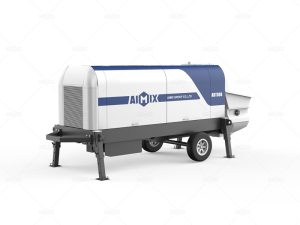
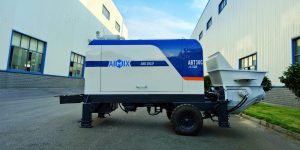
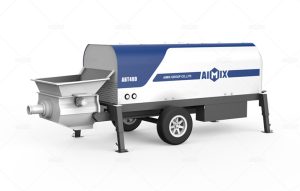
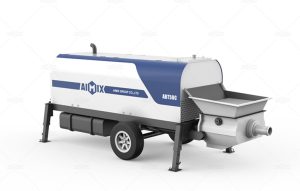
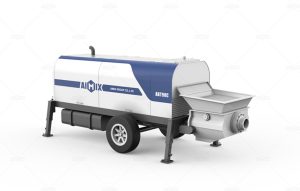
    ABT80D electric powered concrete line pump trailer

  • How to Operate Trailer Concrete Pump for Sale in Narrow Tunnel Construction Projects

    When working on tunnel construction, the complexity of the environment requires highly efficient and flexible equipment. One of the most widely used machines in such projects is the trailer concrete pump for sale, which allows contractors to deliver concrete in tight and elongated spaces where traditional pouring methods are impractical. At the same time, many contractors also consider the use of a small concrete pump machine for narrow tunnel works because of its maneuverability and adaptability. However, operating this equipment safely and effectively in a tunnel requires careful planning, understanding of technical details, and a clear focus on safety.

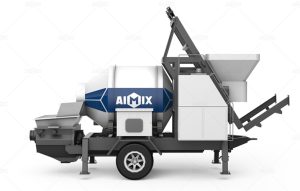
    small concrete pump stationary ABT30C

    Understanding the Role of Trailer Concrete Pump in Tunnels

    The trailer concrete pump is designed to pump concrete horizontally and vertically over long distances, which makes it a perfect choice for tunnel projects where concrete has to be transported from the surface to deep underground. Compared to other machinery, it is compact, easy to tow, and capable of handling significant volumes of concrete. Its portability is particularly valuable in tunnels, where space is restricted and large stationary units cannot be installed. A small concrete pump machine can serve as an alternative for sections where maneuvering a trailer pump becomes difficult, ensuring that construction progress is not delayed.

    Site Preparation Before Operation

    Operating a trailer concrete pump in a tunnel begins with preparing the site. Since tunnels often have uneven and restricted passageways, proper leveling of the pump’s setup area is crucial. The pump must be positioned on stable ground, with secure supports and minimal vibration during operation. In narrow tunnels, positioning should allow enough clearance for operators to move safely around the equipment without blocking passageways. Additionally, pipeline layout is critical. The delivery pipes should be arranged in a way that minimizes sharp bends, as excessive turns can increase pressure loss and risk of blockages. Using both trailer concrete pump for sale units and small concrete pump machines strategically in different parts of the tunnel can reduce unnecessary pipeline extensions and improve overall efficiency.

    Safety Considerations in Narrow Tunnels

    Tunnel construction comes with higher risks due to confined space, ventilation challenges, and limited escape routes. When operating a trailer concrete pump, strict safety measures must be in place. First, ventilation must be ensured because diesel-powered pumps produce exhaust fumes that can accumulate dangerously in enclosed areas. In some cases, electric-powered small concrete pump machines are chosen for tunnel projects to reduce exhaust and noise. Second, communication among workers is essential. Narrow tunnels can amplify noise, so clear hand signals, radios, or communication devices should be used to coordinate pumping operations. Finally, all operators should wear personal protective equipment, including helmets, reflective clothing, and respirators if air quality is poor.

    Operating Steps for Trailer Concrete Pump in Tunnel Projects

    The operation of a trailer concrete pump in tunnels involves multiple steps that must be executed with precision:

    1. Priming the Pump: Before pumping starts, pipelines are lubricated with a cement slurry or grout to reduce friction and prevent blockages. This is especially important in long tunnels with extensive pipelines.

    2. Feeding Concrete: Concrete must be mixed to the right consistency before feeding. Dry or overly wet mixtures can lead to pumping issues. For narrow tunnel works, reliable batching is essential to keep the flow smooth.

    3. Monitoring Pressure Levels: Operators should continuously monitor pressure gauges to ensure the pump is not overworked. High pressure may indicate blockages in the pipeline, which is a common risk in tunnel projects.

    4. Regular Intervals of Cleaning: During operation, periodic flushing of pipelines helps prevent buildup of hardened concrete. In longer projects, alternating between the trailer concrete pump for sale and small concrete pump machine can allow cleaning and maintenance without stopping the work.

    5. Emergency Handling: In the event of a blockage, the pump should be stopped immediately. Operators must follow lockout procedures before clearing pipes, ensuring safety during troubleshooting.

    Using Small Concrete Pump Machine as a Support

    While the trailer concrete pump remains the backbone of tunnel projects, the small concrete pump machine plays a supporting role. In areas with extremely narrow passages or where equipment mobility is restricted, smaller pumps are easier to maneuver and set up. They are also useful when handling lower volume requirements within different tunnel sections. Integrating both types of pumps in one project allows contractors to optimize efficiency while ensuring safe operations.

    Training and Skilled Workforce

    A trailer concrete pump is not a machine that can be operated effectively without proper training. Tunnel projects demand skilled operators who understand not only how the pump works but also how to adjust to environmental constraints. Training should cover operation procedures, maintenance routines, troubleshooting techniques, and emergency protocols. Additionally, teams should be trained to coordinate between operating the trailer concrete pump for sale and deploying the small concrete pump machine to maximize productivity while minimizing downtime.

    Maintenance in Confined Environments

    Maintenance becomes more critical when working underground. In tunnels, dust and moisture levels can accelerate wear on pumping systems. Operators should perform daily inspections of hydraulic systems, lubrication points, and electrical components. After each pumping shift, the pipelines must be cleaned thoroughly to prevent hardened concrete from obstructing flow. Having spare parts and a maintenance plan on-site is also necessary, as transporting equipment in and out of a tunnel can be time-consuming. Both trailer pumps and small pumps require consistent upkeep to ensure long-term reliability.

    Conclusion

    Operating a trailer concrete pump for sale in narrow tunnel construction projects is a challenging yet achievable task when approached with the right planning and execution. By preparing the site properly, following safety protocols, and ensuring trained personnel handle the machinery, contractors can maximize efficiency while reducing risks. The small concrete pump machine also plays an important role in supplementing trailer pumps, especially in highly confined sections of tunnels. Ultimately, success depends on a balance of safety, technical skill, and effective equipment use, ensuring that concrete is delivered smoothly and projects are completed on schedule.

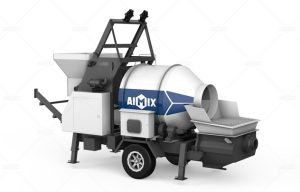
    ABT40D Small Trailer Concrete Pump

  • How Does the Tax Rate Influence Concrete Boom Pump Price?

    When considering the purchase of a concrete pump with boom, one of the key factors influencing the final price is the tax rate imposed by the local government. Taxes play a significant role in determining the overall cost of construction equipment, including specialized machinery like the concrete boom pump. Understanding how different tax rates impact the price of such equipment can help buyers make more informed decisions about their purchases. Whether you’re in the process of acquiring a concrete pump with boom for a large construction project or seeking to expand your fleet of equipment, it’s crucial to take into account how taxes can affect your budget and investment. In this article, we’ll explore how tax rates influence the concrete boom pump price and how it’s important for buyers to factor these taxes into their purchasing decisions.

    30m Concrete Pump Truck with Pan Mixer

    Sales Tax and Its Direct Impact on the Concrete Boom Pump Price

    One of the most immediate ways taxes affect the concrete boom pump price is through sales tax. When a buyer purchases a concrete pump with boom, the applicable sales tax is typically added to the purchase price, increasing the overall cost. The percentage of sales tax varies from country to country, and even between states or regions within the same country. In areas with high sales tax rates, the buyer could see a significant increase in the price of the concrete pump.

    Location-Based Sales Tax: In many regions, sales tax is based on the location of the buyer or the location where the transaction takes place. For example, in countries like the United States, different states impose different sales tax rates. In some states, this tax can be as high as 10% or more, while in others, it may be lower or nonexistent. This means that two buyers purchasing the same concrete boom pump could end up paying very different amounts based on where they are located.
    Tax-Exempt Purchases: Some regions may offer tax exemptions or reductions for certain types of purchases, such as for businesses involved in construction. If a buyer is purchasing a concrete boom pump for use in a tax-exempt project, they may be able to avoid paying sales tax altogether. Buyers should consult with local authorities or equipment dealers to understand whether they qualify for any tax exemptions that could reduce the overall cost.

    By understanding how sales taxes work and what the rate is in their specific area, buyers can better assess how much the concrete boom pump price will increase due to taxes and plan their budget accordingly.

    Value-Added Tax (VAT) and Its Effect on Pricing

    In many countries outside of the United States, a value-added tax (VAT) is levied on goods and services, including construction equipment like concrete pumps with boom. VAT is typically added to the cost of the equipment at each stage of production and sale, which ultimately affects the price the final consumer pays. Unlike sales tax, which is added only at the point of sale, VAT is collected incrementally throughout the supply chain, and its impact is reflected in the final price of the equipment.

    VAT and Price Increase: The percentage of VAT imposed on a concrete boom pump price can vary widely depending on the country or region. Countries within the European Union, for example, often have a VAT rate of around 20%, which can significantly increase the price of the pump. For a concrete pump with boom priced at \$100,000, an additional 20% VAT would add \$20,000 to the overall price, bringing the total cost to \$120,000.
    VAT Refund or Offset: In some cases, businesses may be able to claim a refund or offset for the VAT they paid on equipment purchases. For example, businesses that are registered for VAT may be able to reclaim the VAT paid on equipment used for business purposes. This can reduce the effective price paid for the concrete boom pump but requires proper documentation and adherence to local tax regulations.

    Understanding VAT is essential for buyers in regions where this tax applies, as it can significantly impact the overall cost of purchasing a concrete boom pump. Buyers should always inquire about the VAT rate and any potential rebates or refunds that may be available to them.

    Import Duties and Taxes for International Purchases

    Many buyers opt to purchase concrete pumps with boom from international suppliers, often to secure better deals or access more advanced models. However, purchasing equipment from another country introduces additional complexities, particularly when it comes to import duties and taxes. These taxes are imposed by the importing country and can have a significant impact on the total cost of the concrete boom pump.

    Import Duties: Import duties are taxes imposed on goods imported from another country. The rate of duty varies depending on the type of product, its country of origin, and international trade agreements. In some countries, import duties on construction equipment can range from 5% to 30% or more. This means that an international purchase of a concrete pump with boom could end up costing much more than a domestic purchase due to the added import duties.
    Customs Fees: In addition to import duties, buyers may also be responsible for paying customs fees or handling charges associated with bringing the equipment into the country. These fees can be substantial, especially for large and heavy equipment like a concrete boom pump, and must be considered when calculating the total cost of the equipment.
    Documentation and Compliance: Import taxes can also add hidden costs in terms of the time and resources required to ensure compliance with local regulations. For example, buyers may need to provide proof of the equipment’s origin, ensure that it meets local safety and environmental standards, or pay additional taxes based on the carbon emissions or energy efficiency of the equipment.

    For buyers considering international purchases, understanding how import duties and taxes affect the concrete boom pump price is crucial. It’s essential to calculate the full cost of importing the equipment, including taxes, fees, and shipping, before making a purchase.

    Corporate Taxation and Incentives for Equipment Purchases

    For businesses, corporate taxation policies can also influence the cost of purchasing a concrete pump with boom. In some countries, governments offer tax incentives, deductions, or credits to businesses that invest in new equipment. These tax breaks are designed to encourage companies to invest in their infrastructure and improve productivity.

    Depreciation and Tax Deductions: Businesses that purchase heavy equipment like a concrete pump with boom may be able to claim tax deductions on the depreciation of the asset. Depreciation allows businesses to spread the cost of the equipment over several years, reducing their taxable income and thus their tax liability. This can offset some of the upfront costs associated with the purchase of a concrete boom pump.
    Investment Tax Credits: In certain regions, governments offer investment tax credits to businesses that purchase new or environmentally-friendly equipment. These credits can directly reduce the cost of the concrete boom pump by offering a percentage of the purchase price as a direct tax reduction.

    Businesses should consult with tax professionals or financial advisors to understand any incentives or deductions available to them. Leveraging these tax benefits can significantly reduce the effective cost of the concrete boom pump, making the investment more financially viable.

    Overall Impact of Tax Rates on Total Cost

    In summary, tax rates have a profound influence on the concrete boom pump price, and understanding how various taxes apply to your purchase is essential for managing costs effectively. Whether it’s sales tax, VAT, import duties, or corporate tax incentives, taxes can add a substantial amount to the overall price of the equipment. For businesses, the ability to claim tax deductions or credits can mitigate some of these costs, while buyers in regions with high sales tax or VAT rates may see a significant increase in the final price.

    To ensure that the purchase of a concrete pump with boom is as cost-effective as possible, buyers should factor in all applicable taxes, consider the benefits of any available incentives, and work with financial advisors or equipment dealers who can help navigate the complex tax landscape. By doing so, buyers can make a more informed decision and avoid any unexpected financial burdens when purchasing their concrete boom pump.

    33m boom concrete pump truck with pan mixer

  • How to Ensure the Stability of Concrete Pumping Equipment in Slippery Area

    Working with concrete in challenging environments requires not only efficiency but also safety and precision. One of the main concerns for contractors and construction managers is how to maintain the stability of concrete pumping equipment when operating in slippery areas such as muddy construction sites, rain-affected zones, or regions with icy surfaces. The risk of instability in such conditions can lead to uneven concrete flow, machine tipping, unnecessary delays, and even serious accidents. Ensuring stability is therefore essential for project quality and worker safety. In this article, we will explore practical strategies and considerations for maintaining the safe and efficient operation of both mobile pumps and stationary concrete pump units in slippery conditions.

    ABT30D electric powered trailer concrete mini pump

    Understanding the Risks of Slippery Work Areas

    Slippery areas can create serious operational challenges for concrete pumping equipment. When surfaces are covered with water, ice, or mud, the ground can lose its load-bearing capacity. This puts additional stress on the stabilizers and outrigger systems of pumps, especially those with long placing booms. A stationary concrete pump, while more stable due to its fixed installation, still requires proper placement and ground preparation to avoid uneven settling or equipment vibration. Beyond machine safety, operators and workers on-site also face risks of slips and falls, which can compound the hazards of heavy equipment operation. Recognizing these risks is the first step in applying effective stability measures.

    Choosing the Right Type of Pump for Slippery Conditions

    The choice between a mobile pump and a stationary concrete pump can influence stability in a slippery area. Mobile concrete pumps, with their boom arms, require wider outrigger spreads to stabilize during pumping. On slippery or weak ground, this can become problematic without proper reinforcement. On the other hand, a stationary concrete pump is typically anchored on-site and connected to pipelines. Since it does not rely on large outrigger systems, it offers better adaptability when set up on challenging ground. For projects located in areas prone to heavy rain or mud, investing in a stationary option can significantly reduce the risks associated with mobility and machine balancing.

    Preparing the Ground for Equipment Stability

    Ground preparation is a crucial step in ensuring safe operations. Before placing concrete pumping equipment on-site, contractors should assess soil conditions and drainage. If the ground is soft or waterlogged, stabilizing mats, steel plates, or wooden beams can be placed under the equipment’s base or outriggers. These distribute weight more evenly and prevent sinking or tilting during pumping. In extreme cold regions, where ice formation is a concern, de-icing agents and gravel can be applied to create better traction and support for the machines. Even for a stationary concrete pump, a stable concrete foundation or reinforced platform is necessary to avoid misalignment and vibration that can affect pumping performance.

    Using Proper Setup Techniques

    Once the ground is prepared, the setup process itself plays a key role in ensuring equipment stability. Outriggers and support arms of mobile pumps should always be extended fully and locked into position, with base pads placed on stable supports. For stationary concrete pump systems, anchoring bolts should be checked and tightened to prevent movement during long-term operation. Operators must also verify that the pump is level before starting, as uneven positioning can affect both safety and concrete flow quality. Regular inspections throughout the working day are equally important, especially if ground conditions worsen due to ongoing rain or heavy traffic.

    Operational Safety Practices

    Beyond physical setup, safe operation practices can further ensure stability. Operators should avoid overextending booms at maximum reach in slippery areas, as this increases tipping risk. Pumping should be done gradually, avoiding sudden surges of pressure that might destabilize the machine. For stationary systems, pressure monitoring in the pipelines is essential, as excessive back pressure can strain the pump and its foundation. Communication between workers also plays a role—when everyone is aware of potential hazards and equipment movements, the chances of instability-related accidents are significantly reduced.

    Maintenance for Long-Term Stability

    Regular maintenance of concrete pumping equipment ensures not only performance but also safety in slippery conditions. Hydraulic systems, outriggers, pipelines, and joints should be inspected for wear and leaks. For a stationary concrete pump, checking the anchoring system and foundation stability is essential, especially after heavy use or weather events. Lubrication of moving parts and timely replacement of worn components also reduce the risk of mechanical failures that could lead to instability during operation.

    Training and Skilled Operation

    Ultimately, equipment stability in slippery areas depends heavily on the skill and knowledge of operators. Training programs should include specific modules on safe pump setup and operation in challenging environments. Operators should understand the limitations of their machines, the impact of ground conditions, and the importance of monitoring during pumping. Skilled operators not only maximize efficiency but also significantly reduce the risk of accidents or equipment instability.

    Conclusion

    Ensuring the stability of concrete pumping equipment in slippery areas is a multi-step process that combines proper planning, equipment selection, ground preparation, safe setup, and continuous monitoring. While mobile pumps require careful outrigger support and operational caution, a stationary concrete pump offers more reliable stability when properly anchored and maintained. With the right strategies, construction teams can achieve both safety and efficiency, even in the most challenging conditions. By taking preventive measures, investing in proper maintenance, and relying on skilled operators, projects can avoid costly disruptions and maintain smooth progress regardless of environmental challenges.

    ABT40D mini concrete line pump

  • How Does Trailer Mounted Concrete Pump Machine Price Influence by Pipelines or Hoses

    When people in the construction industry plan to purchase a trailer mounted concrete pump, they often compare different models, performance levels, and suppliers. However, one factor that many buyers tend to underestimate at the beginning is how much the supporting accessories such as pipelines or hoses can influence the overall concrete pump machine price. These pumps are versatile machines, but they rely heavily on their delivery systems to perform efficiently, safely, and cost-effectively. Understanding how pipelines and hoses affect not only working efficiency but also the total purchase and maintenance cost is critical for contractors who want to make an informed investment decision.

    Diesel Concrete Line Pump Trailer in factory
    Diesel Concrete Line Pump Trailer in factory

    Role of Pipelines and Hoses in Trailer Mounted Concrete Pumps

    A trailer mounted concrete pump is designed to transport ready-mixed concrete through pipelines to the required location, whether it is on the ground, at a distance, or at elevated positions in high-rise buildings. The machine itself provides the pumping force, but it cannot function without hoses and pipes. Pipelines and hoses act as the “veins” of the system, guiding the flow of concrete from the hopper to the construction site. The length, diameter, and material of these pipelines directly determine the pump’s efficiency, pressure requirements, and maintenance demands. This connection makes them an important factor influencing the total concrete pump machine price.

    Material Quality and Its Impact on Price

    One of the most noticeable ways pipelines and hoses affect pricing is through their material quality. For example, ordinary steel pipes are cheaper but wear out quickly when pumping abrasive concrete mixes. High-quality hardened steel pipes or those with special linings such as ceramic coatings can last significantly longer, but they raise the initial purchase cost. The same applies to rubber hoses. Low-grade hoses may crack under high pressure or fail after a few months of frequent use, which means additional replacement costs. On the other hand, premium hoses with reinforced layers may seem expensive at first, but they reduce long-term expenses. When calculating the concrete pump machine price, buyers must take into account whether the supplier includes basic pipelines and hoses or requires separate purchases, since the difference in material quality can add thousands of dollars to the total investment.

    Influence of Pipeline Length on Pump Requirements

    Pipeline length is another factor that affects both machine performance and pricing. A trailer mounted concrete pump must overcome frictional resistance when concrete travels through pipes. The longer the delivery distance, the higher the pumping pressure required. This means that if a project demands long pipelines, the buyer may need to purchase a higher-capacity machine that costs more. For example, a small pump suitable for short-range pumping may have a relatively low concrete pump machine price, but once the buyer considers the need for 200–300 meters of pipelines, they may realize that a stronger machine with higher pressure output is required. In other words, the design and cost of the delivery pipeline directly influence the choice of pump model, which in turn affects the overall investment.

    Impact of Pipeline Diameter on Machine Selection

    In addition to length, the diameter of pipelines also plays a critical role. Smaller diameter pipes are cheaper and lighter, but they increase pumping resistance and may cause blockages if the concrete mix has larger aggregates. Larger diameter pipes reduce resistance and enable higher pumping output, but they require more powerful pumps. This means that choosing a different pipe size could force the buyer to consider a larger-capacity trailer mounted concrete pump, leading to an increase in the concrete pump machine price. Contractors need to balance pipe cost and pump cost carefully, ensuring that the combination delivers reliable performance without unnecessary spending.

    Replacement and Maintenance Costs

    Pipelines and hoses are wear parts that require regular replacement. Even with high-quality materials, they gradually wear out due to constant friction from concrete flow. A buyer who focuses only on the initial concrete pump machine price may be surprised later by high maintenance expenses if pipelines or hoses are of poor quality. Frequent replacements not only increase costs but also delay project progress. On the other hand, if a supplier offers durable pipelines and hoses as part of the pump package, the upfront price may seem higher, but overall operating costs will be lower. This is why contractors need to evaluate both machine and accessory costs together rather than looking at them separately.

    Influence of Hose Flexibility and Site Conditions

    Hoses, especially the flexible ones used near the placing end, also influence costs in subtle ways. A flexible and durable hose makes it easier to deliver concrete in tight or complex spaces, which saves labor and reduces the risk of accidents. However, hoses with greater flexibility and strength generally cost more. If the project involves frequent maneuvering in narrow spaces, choosing higher-quality hoses is wise even if it increases the total concrete pump machine price, because it improves efficiency and safety.

    Transportation and Installation Factors

    Longer or larger pipelines are not only expensive to buy but also to transport and install. Heavy pipelines require additional manpower, cranes, or even vehicles for movement. This indirectly increases the total cost of owning and operating a trailer mounted concrete pump. When buyers evaluate the concrete pump machine price, they should include not just the pump but also these associated logistical expenses caused by pipeline design. Suppliers sometimes offer package solutions where the pump and standard pipelines are included, making it easier for contractors to control total investment.

    Long-Term Value vs. Initial Cost

    Finally, it is important to emphasize the balance between initial and long-term costs. While low-cost pipelines and hoses may reduce the upfront concrete pump machine price, they often result in higher lifetime expenses due to frequent replacement, downtime, and inefficiency. Conversely, higher-quality accessories may increase the purchase price but save significant money over years of use. Contractors who focus on long-term profitability usually view pipelines and hoses not as minor extras but as integral parts of the investment.

    Conclusion

    In summary, the cost of a trailer mounted concrete pump is not just about the machine itself. Pipelines and hoses, which serve as the delivery system for concrete, play a central role in determining both the required pump capacity and the overall concrete pump machine price. Factors such as pipeline material, length, diameter, maintenance frequency, hose flexibility, and even transportation logistics can all add to or reduce the total investment. Buyers who understand these connections will be able to make better purchasing decisions, selecting a combination of pump and accessories that matches their project needs while keeping costs under control. By looking beyond the initial sticker price and considering how pipelines and hoses influence performance and expenses, contractors can achieve higher efficiency, safety, and profitability in their concrete pumping operations.

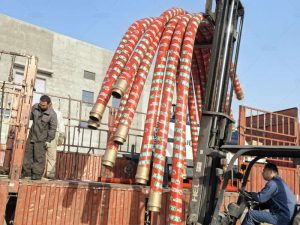
    Pumping Hoses for Concrete Line Pump Trailer
    Pumping Hoses for Concrete Line Pump Trailer
  • How Does Trailer Concrete Pump for Sale Support Large-Span Atrium Floor Slabs in Commercial Complexes in South Africa

    Commercial complexes in South Africa are becoming increasingly sophisticated in both design and functionality, with architectural elements like large-span atrium floor slabs now being a common feature. These atriums not only provide open, inviting spaces but also add to the structural and aesthetic appeal of modern complexes. However, the construction of such large-span slabs presents unique challenges, particularly when it comes to pouring large volumes of concrete in a precise, continuous, and stable manner. This is where the role of specialized equipment becomes crucial. The demand for trailer concrete pump for sale options in the region has grown because they offer a reliable and cost-effective way to manage such tasks. At the same time, the growing market for concrete pumps South Africa highlights the shift in construction practices toward efficiency, quality, and adaptability. Understanding how trailer pumps support these demanding projects sheds light on their importance in the local construction industry.

    ABT40D Electric powered concrete trailer pump

    The Growing Role of Concrete Pumps South Africa

    In South Africa, construction projects range from residential housing to large commercial and infrastructural developments. While smaller projects may still rely on manual labor or basic machinery for concrete placement, commercial complexes demand precision and efficiency that only specialized pumps can deliver. The market for concrete pumps South Africa reflects this trend, with contractors recognizing that timely completion and structural quality depend on mechanized pumping solutions. For large-span atrium slabs, concrete pouring requires handling significant volumes, and manual placement is impractical. Trailer-mounted pumps have become the preferred solution because they provide high capacity, flexible hose placement, and the ability to pump concrete over long distances and heights.

    Why Large-Span Atrium Slabs Require Efficient Pumping Solutions

    Large-span atrium slabs are unique because they cover wide areas without intermediate supports. This architectural choice requires slabs to be poured in a continuous and uniform manner to ensure structural integrity. Interruptions during pouring can cause cold joints, weak points, or uneven curing, which compromise the durability of the slab. Here, a trailer concrete pump for sale plays a vital role by delivering uninterrupted, high-volume concrete pumping to cover the entire span in one consistent operation. Unlike boom pumps, which may not always be suitable due to their size or higher cost, trailer pumps offer a more compact and affordable solution while still meeting the high-volume requirements of atrium slab construction.

    Advantages of Trailer Concrete Pump for Sale in South Africa

    One of the reasons the trailer concrete pump for sale is gaining traction in South Africa is its adaptability to different site conditions. Atrium construction often occurs in dense urban centers, where space is limited, and maneuvering large equipment is difficult. Trailer pumps can be placed in relatively small spaces while extending hoses through buildings or around obstacles to reach the exact pouring location. Furthermore, their robust pumping pressure allows concrete to be delivered across long distances, making them ideal for commercial complexes where the slab may be several meters above ground level.

    Another advantage is cost efficiency. While larger boom pumps offer convenience in terms of reach, their rental or purchase costs are significantly higher. For many contractors in South Africa, balancing cost and performance is critical, and trailer pumps provide the right balance by being affordable without sacrificing functionality. In addition, the maintenance and operation costs of trailer pumps are generally lower, which makes them a practical long-term investment for companies frequently engaged in commercial projects.

    Integration of Trailer Pumps with Concrete Supply

    For large-span slabs, continuous supply of concrete is as important as the pumping equipment itself. A trailer concrete pump for sale can only perform efficiently when paired with a well-organized concrete delivery system. In South Africa, many construction companies integrate these pumps with on-site batching plants or schedule deliveries from nearby ready-mix plants. This integration ensures that pumping can proceed without delays, allowing contractors to complete the entire atrium slab within the required timeframe. Efficient coordination between supply and pumping avoids waste, prevents delays, and ensures a consistent finish across the large surface.

    Technical Considerations for Atrium Slab Construction

    Pouring a large-span atrium slab requires consideration of technical aspects like pump pressure, hose diameter, and the workability of the concrete mix. A trailer concrete pump for sale in South Africa typically offers pressure ranges suitable for both horizontal and vertical pumping, making them well-suited for atrium applications. Hose placement is critical to ensure even distribution, and experienced operators are essential to manage flow rates and prevent segregation of aggregates. Contractors also work closely with engineers to design mixes that are pump-friendly, ensuring smooth flow through hoses without blockages. These technical measures are part of what makes trailer pumps indispensable for such projects.

    Contribution to Structural Quality and Safety

    The use of concrete pumps South Africa for commercial complexes is not only about efficiency but also about ensuring structural quality and safety. Large-span slabs must bear heavy loads and withstand long-term stress. Any weakness due to poor pouring can compromise safety. By enabling uninterrupted and precise concrete placement, trailer pumps enhance the overall strength and durability of the slab. They also reduce reliance on manual labor, minimizing human error and safety risks associated with carrying heavy loads or working at heights. In this way, trailer pumps support not only faster completion but also safer working environments.

    Economic Impact on South African Construction

    From an economic perspective, the widespread use of trailer concrete pump for sale options in South Africa has significant benefits. Faster completion of commercial complexes means developers can bring projects to market sooner, generating quicker returns on investment. For contractors, owning or renting trailer pumps allows them to take on larger projects with confidence, knowing they can meet deadlines without compromising quality. This shift toward mechanized pumping is also helping the South African construction industry align with global best practices, making local firms more competitive in both domestic and regional markets.

    In conclusion, the construction of large-span atrium floor slabs in commercial complexes requires specialized equipment to ensure speed, quality, and safety. The growing reliance on concrete pumps South Africa illustrates the industry’s shift toward mechanization and efficiency. Specifically, the trailer concrete pump for sale provides the right balance of affordability, adaptability, and performance, making it the preferred choice for these demanding projects. Its ability to deliver continuous, high-volume pumping in restricted spaces supports both the structural integrity of the slab and the overall success of the project. As South Africa continues to modernize its urban infrastructure, the role of trailer pumps in commercial construction will only become more critical, ensuring that ambitious architectural designs can be realized with efficiency and precision.

    ABT50C Trailer Concrete Pump with Diesel Engine

  • How Does Remote Control Function Influence Concrete Pumping Machine Price

    In the construction machinery market, the price of concrete pumping machines, including trailer pumps concrete, is influenced by a variety of factors, from basic structural components to advanced technological features. Among these factors, the integration of remote control functions has emerged as a significant determinant in recent years. Understanding how this feature impacts the overall cost requires a closer look at the technology behind remote control systems, their benefits in practical applications, and the associated expenses that manufacturers pass on to consumers.
    ABT80C Diesel Powered Trailer Concrete Pump Price

    The Role of Remote Control Functions in Concrete Pumping Machines

    Remote control functions in concrete pumping machines allow operators to manipulate key operations—such as starting and stopping the pump, adjusting flow rates, and controlling boom movements—from a distance, often via a handheld device or a mobile app. This capability is particularly valuable in scenarios where the pump is positioned in hard-to-reach areas, such as high-rise construction sites or narrow urban spaces, where direct access to the machine’s control panel is limited. For trailer pumps concrete, which are often towed to different locations and set up in varying environments, remote control enhances flexibility by enabling operators to monitor and adjust operations without being physically beside the unit. This not only improves efficiency but also reduces the risk of accidents, as operators can maintain a safe distance from moving parts or hazardous conditions.

    Cost Drivers of Integrating Remote Control Technology

    The inclusion of remote control technology adds several layers of cost to the production of a concrete pumping machine. First, there is the expense of the hardware itself. This includes sensors, transmitters, receivers, and the control module that connects the remote device to the machine’s hydraulic and mechanical systems. High-quality components are necessary to ensure reliable communication, especially in environments with heavy electromagnetic interference or long distances between the operator and the pump. For example, industrial-grade radio frequency (RF) modules or Bluetooth Low Energy (BLE) chips with extended range capabilities are more costly than basic consumer-grade alternatives but are essential for consistent performance on construction sites.
    Second, software development is a significant cost driver. The remote control system requires intuitive user interfaces (UI) for the handheld device or app, as well as firmware that integrates seamlessly with the machine’s existing control logic. Programmers must design algorithms that translate commands from the remote into precise mechanical actions, such as adjusting the pump’s pressure or boom angle, while also incorporating safety features like emergency stop functions and error notifications. Additionally, software updates and compatibility with future technological advancements (such as integration with construction management software) add to the long-term development costs, which are often reflected in the initial concrete pumping machine price.

    Testing, Certification, and Their Impact on Price

    Another factor is testing and certification. Remote control systems must meet industry standards for safety and reliability, which varies by region. For instance, in the European Union, machinery with remote control functions must comply with the Machinery Directive (2006/42/EC), which requires rigorous testing to ensure that commands are executed accurately and that there is no risk of unintended operation. Similarly, in the United States, the Occupational Safety and Health Administration (OSHA) sets guidelines for remote-controlled equipment to prevent workplace injuries. The process of obtaining these certifications involves third-party testing, documentation, and compliance audits, all of which add to the manufacturer’s expenses and, consequently, the final price of the concrete pumping machine.

    Long-Term Benefits Offsetting Higher Initial Costs

    Despite these added costs, the demand for remote control functions has grown steadily, as construction companies recognize the long-term benefits they provide. Improved efficiency is a key advantage: with remote control, operators can make real-time adjustments to the pump’s performance without pausing work to approach the machine, reducing downtime and increasing productivity. For trailer pumps concrete, which are often used in large-scale projects like infrastructure development or commercial building construction, this efficiency translates to faster project completion times and lower labor costs, as fewer workers are needed to monitor and operate the pump. Over time, these savings can offset the higher initial price of a remote-controlled machine, making it a cost-effective investment for many businesses.
    Moreover, remote control technology enhances precision, which is critical in applications where concrete placement must be accurate, such as in the construction of bridges, tunnels, or high-rise structures. Operators can fine-tune the flow rate and placement of concrete with greater accuracy from a distance, reducing waste and ensuring that the material is distributed evenly. This level of control is harder to achieve with manual operation, where minor adjustments to the control panel can lead to significant variations in output. As a result, projects that require high precision are more likely to specify concrete pumping machines with remote control functions, even if they come at a premium.

    Variations in Price Impact by Machine Type and Market Factors

    The impact of remote control functions on price also varies by the type and size of the concrete pumping machine. For smaller units, such as portable trailer pumps concrete used in residential construction, the added cost of remote control may represent a larger percentage of the total price, as the base cost of the machine is lower. In contrast, for large stationary pumps used in major infrastructure projects, the relative cost of adding remote control is smaller, as the overall price of the machine is higher. Manufacturers often offer remote control as an optional feature rather than a standard inclusion, allowing customers to choose based on their specific needs and budget. This flexibility means that the price difference between a basic model and one with remote control can range from a few thousand dollars for smaller machines to tens of thousands for larger, more complex systems.
    Market competition also plays a role in how much remote control functions affect pricing. As more manufacturers adopt this technology, economies of scale come into play: increased production of remote control components leads to lower per-unit costs, which can be passed on to consumers. Additionally, competition drives innovation, as companies strive to offer more advanced remote control features—such as real-time data monitoring, predictive maintenance alerts, or integration with drones for site surveillance—at competitive prices. These value-added features can justify a higher price point, as they provide additional benefits beyond basic remote operation.
    In conclusion, the remote control function significantly influences the price of concrete pumping machines, including trailer pumps concrete, by adding costs related to hardware, software, testing, and certification. However, these costs are often balanced by the long-term benefits of improved efficiency, precision, and safety, making remote-controlled machines a worthwhile investment for many construction companies. As technology continues to advance and becomes more accessible, the price difference between basic and remote-controlled models is likely to become more manageable, further driving adoption in the industry.
    ABT90C Trailer Concrete Pump
  • How Does Key Components Brand Influence Concrete Mixer Pump Price?

    When purchasing a concrete mixer pump, one of the most significant factors that influence its price is the quality and brand of its key components. A concrete mixer pump combines both mixing and pumping functions, making it an indispensable piece of equipment in construction projects, especially for medium and small-scale operations. As with any machinery, the price of the pump can vary considerably depending on the manufacturer and the components that are used. By understanding how the brand of these key components influences the overall concrete mixer pump price, you can make a more informed decision on which machine provides the best value for your specific needs.

    ABJZ30C Mixer Type Concrete Pump

    The Role of Key Components in Concrete Mixer Pump

    A concrete mixer pump is essentially a hybrid piece of equipment, designed to mix and pump concrete in one continuous process. It plays a critical role in construction tasks, particularly in the building of foundations, roads, and large infrastructure projects. The primary components of a concrete mixer pump include the engine, hydraulic system, mixing drum, pumping unit, and electrical control systems. Each of these components contributes significantly to the performance and durability of the equipment.

    Engine: The engine is the powerhouse of the pump, responsible for driving the pump’s various functions. Engine brands with higher reputations for reliability, such as Cummins or Volvo, tend to increase the overall concrete mixer pump price, as they offer superior fuel efficiency and performance.

    Hydraulic System: The hydraulic system is responsible for delivering the power to the pump and mixer. A high-quality hydraulic system ensures smooth operation, high-pressure pumping, and reduced wear over time. Hydraulic components from renowned brands like Bosch Rexroth or Parker Hannifin are often priced higher due to their efficiency and long lifespan.

    Pumping Unit: The pump’s ability to deliver concrete over long distances and up elevated areas depends largely on the performance of the pumping unit. Top-tier brands for pumping components, such as Schwing or Putzmeister, are known for their ability to pump concrete with minimal blockages, high pressure, and better longevity. These superior pumps typically command higher prices.

    Mixing Drum: The mixing drum determines the quality of concrete mixing. Drum quality affects consistency and uniformity. Mixing drums from trusted brands often have specialized features, such as enhanced durability or improved mixing patterns, which can push up the concrete mixer pump price.

    Electrical Control System: The electrical control system manages the overall operations of the concrete mixer pump. Systems from well-established brands, like Siemens or Schneider Electric, ensure precision and reliability. These systems come with features such as automatic batching, remote diagnostics, and energy-saving modes, all of which influence the price.

    Brand Reputation and Reliability

    The brand of the components in a concrete mixer pump directly correlates to its reliability, which is why pumps made with well-known, high-quality components tend to be priced higher. Established brands often use better materials, implement stricter quality control processes, and offer more comprehensive warranties, all of which contribute to higher costs.

    For example, pumps using components from renowned brands such as Putzmeister and SANY are typically priced higher than those using generic or lower-quality parts. These trusted brands are known for their durability, high performance, and low maintenance requirements, making them a wise long-term investment. Although these brands come at a premium, they are considered reliable choices for construction companies that need consistent performance over an extended period.

    On the other hand, while using lesser-known or generic brands may reduce the initial concrete mixer pump price, they often come with trade-offs in terms of durability and long-term performance. Lower-quality components may result in higher maintenance costs, more frequent breakdowns, and potentially shorter service life, which can add up to higher overall costs in the long run.

    Impact of Component Brand on Performance and Efficiency

    The performance of a concrete mixer pump is directly tied to the quality of its key components, and the better the components, the higher the price. Higher-quality engines, hydraulic systems, and pumping units improve the overall efficiency of the pump. This means less fuel consumption, smoother operation, higher delivery rates, and fewer downtime periods.

    For example, a concrete mixer pump equipped with a Cummins engine will typically be more fuel-efficient than a pump with a lesser-known engine, which can contribute to significant cost savings on long-term fuel consumption. Similarly, pumps with Bosch Rexroth hydraulic components are known for their low energy consumption and high power output, which not only improves operational efficiency but also extends the life of the equipment, reducing the overall cost of ownership.

    Using premium components can also improve the reliability of the machine. Top-tier parts like Putzmeister pumps have been designed for high-pressure pumping over long distances, minimizing blockages and downtime while ensuring consistent concrete flow, even in challenging conditions. These high-performing components justify the higher concrete mixer pump price as they provide tangible benefits that contribute to faster project completion and reduced operational interruptions.

    Maintenance and Availability of Spare Parts

    Another important factor in the pricing of a concrete mixer pump is the ease of maintenance and the availability of spare parts. Well-known brands usually have an extensive global network for spare parts and after-sales services, which reduces downtime and helps ensure the equipment runs smoothly throughout its service life.

    For instance, Putzmeister and SANY have global networks with ready availability of parts, meaning that any required repairs can be completed quickly and efficiently. Although pumps from these manufacturers might carry a higher concrete mixer pump price, the value lies in the reduced maintenance costs and the quicker resolution of any technical issues that arise. Furthermore, their parts tend to last longer, which reduces the frequency of replacement.

    In contrast, lesser-known brands might offer lower-priced equipment upfront, but their parts might not be as readily available, or their local suppliers might not provide efficient service. This can result in increased downtime, prolonged repairs, and higher costs in terms of labor and transportation for spare parts.

    Customization and Features Offered by Premium Brands

    Premium brands often offer advanced features and customizations that can significantly improve the user experience and the pump’s overall efficiency. For example, a concrete mixer pump from a top brand may come equipped with advanced electronic control systems, safety features, and remote monitoring options. These features enhance the ease of operation, improve operator safety, and provide real-time diagnostics to prevent potential breakdowns.

    Brands like Schwing and Putzmeister often include customizations such as better mixing capabilities, adjustable pumping speeds, and more precise control of the concrete’s consistency. While these additional features come at a higher concrete mixer pump price, they can lead to enhanced productivity and higher-quality concrete pours, making them a valuable investment for larger or more complex projects.

    Long-Term Cost Considerations

    While the concrete mixer pump price may be higher for pumps with high-quality, branded components, it’s important to view this as a long-term investment. Equipment with better components often requires less frequent repairs, which translates into lower maintenance costs. Additionally, more efficient pumps reduce fuel consumption, and their longer lifespan means fewer replacements are needed over time.

    In contrast, opting for a lower-cost pump with cheaper components may initially seem attractive due to the lower upfront price, but the long-term operational costs can quickly outweigh the initial savings. Increased maintenance, more frequent breakdowns, and reduced performance can all contribute to higher overall costs.

    The brand of key components in a concrete mixer pump has a significant impact on its price, performance, and overall cost of ownership. By investing in a pump with high-quality, well-known components, you are ensuring better efficiency, durability, and lower long-term maintenance costs. While pumps with top-tier components may carry a higher concrete mixer pump price, they offer greater reliability, better performance, and increased value over time, making them a smart choice for construction companies looking to maximize productivity and minimize downtime. Whether you opt for premium or more budget-friendly options, it is essential to balance the initial cost with the long-term benefits of your investment.

    ABJZ30C Mixer Type Concrete Pumping Machine

  • How Does the Raw Material Price Influence Suppliers Setting Mobile Concrete Pump Price?

    When purchasing a mobile concrete pump, one of the most important factors to consider is the mobile concrete pump price. The price of these machines can vary significantly depending on several factors, with raw material costs playing a major role in determining the final price set by concrete pumps suppliers. The cost of raw materials directly affects the production process, quality, and durability of the pump, which in turn influences the price that customers pay. In this article, we will explore how the price of raw materials affects the cost of mobile concrete pumps, and how concrete pumps suppliers set their prices accordingly.

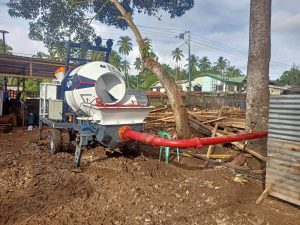
    Concrete Mixer Pump with Reasonable Price at Construction Site

    Understanding the Role of Raw Materials in Mobile Concrete Pump Manufacturing

    The production of mobile concrete pumps involves various materials, including high-quality steel, hydraulic components, electronic parts, and specialized mechanical systems. Each of these materials is essential for ensuring the pump functions efficiently and reliably. For example, the frame and chassis of a mobile concrete pump are typically made of high-strength steel, which is necessary for supporting the weight of the concrete being pumped. Similarly, the hydraulic systems, which are crucial for controlling the movement of the pump’s boom and other components, require high-grade materials to ensure safety and performance.

    As the prices of raw materials fluctuate, concrete pumps suppliers must adjust their pricing to reflect the cost increases or decreases. When raw materials such as steel, rubber, or hydraulic fluids experience price hikes, the cost to manufacture the pump also increases. Consequently, mobile concrete pump price may rise, as suppliers need to maintain their profit margins while still offering a competitive product.

    How Raw Material Prices Affect the Mobile Concrete Pump Price

    The price of raw materials such as steel, aluminum, rubber, and electronics can fluctuate due to various market forces, including supply and demand, geopolitical factors, and global trade dynamics. For example, steel prices have been known to fluctuate significantly due to changes in global supply chains, tariffs, and trade agreements. If steel prices rise due to an increase in demand or a shortage in supply, concrete pumps suppliers face higher production costs. These increased costs are then passed on to the consumer in the form of a higher mobile concrete pump price.

    The impact of raw material price changes on the overall mobile concrete pump price can be substantial, as the raw materials account for a large portion of the total manufacturing cost. In particular, materials used in the structural components of the pump, such as the boom and chassis, are essential for the pump’s stability and performance. As a result, mobile concrete pumps with longer booms or more complex features tend to be more susceptible to price fluctuations based on raw material costs.

    The Role of Hydraulic Components and Electronics

    In addition to the structural materials, the hydraulic components and electronic systems in a mobile concrete pump also play a significant role in determining the price. The hydraulic system, which controls the movement of the pump’s boom, requires high-quality hydraulic fluids, pumps, and cylinders. These components must be manufactured using materials that can withstand high pressures and long periods of use. Similarly, electronic parts such as sensors, control panels, and motors must be reliable and durable to ensure proper functioning.

    The prices of hydraulic components and electronics can also be influenced by raw material costs. For instance, the price of copper, which is commonly used in electrical wiring, or the price of specialized alloys used in hydraulic components, can impact the overall mobile concrete pump price. When these raw materials become more expensive, concrete pumps suppliers must adjust their pricing structure to reflect the increased costs associated with the components they use.

    Global Supply Chain Impact on Raw Material Costs

    In today’s globalized economy, the supply chains for raw materials are complex and can be influenced by a variety of external factors. For instance, natural disasters, labor strikes, transportation disruptions, or geopolitical tensions can disrupt the supply of raw materials and lead to price increases. A good example of this is the impact of the COVID-19 pandemic on global supply chains, which led to shortages of certain materials and caused price hikes in many sectors, including construction equipment.

    These disruptions affect the production costs of mobile concrete pumps, and concrete pumps suppliers may need to increase prices to account for the rising raw material costs. In some cases, suppliers may also seek alternative sources for materials or negotiate with manufacturers to maintain a steady supply at a lower cost, which may help prevent price increases from being passed on to customers. However, in most situations, suppliers are forced to adjust the mobile concrete pump price to reflect these changes in raw material costs.

    Influence of Raw Material Quality on Price Setting

    The quality of raw materials used in manufacturing a mobile concrete pump also plays a critical role in determining the final price. Higher-quality materials tend to cost more but contribute to the longevity, performance, and reliability of the equipment. For example, using high-grade steel for the frame and boom will increase the cost of the pump but will also ensure that the pump is more durable and able to handle the stresses of high-pressure concrete pumping.

    When concrete pumps suppliers choose to use higher-quality materials, they are often able to charge a premium for the finished product. Customers who prioritize long-term durability and performance may be willing to pay a higher mobile concrete pump price for equipment made with superior materials. In contrast, suppliers who use lower-quality materials in an effort to keep costs down may offer pumps at a more affordable price, but the trade-off could be reduced lifespan and performance.

    Impact of Raw Material Price Changes on Supplier Pricing Strategies

    To manage the effects of fluctuating raw material prices, concrete pumps suppliers often implement pricing strategies that help mitigate the impact of rising costs. Some suppliers may enter into long-term contracts with material suppliers to lock in prices and avoid the volatility of the market. Others may absorb some of the cost increases to remain competitive or offer flexible financing options to customers, ensuring that price hikes do not deter potential buyers.

    For example, mobile concrete pump price might remain relatively stable for a period if a supplier has secured favorable pricing for raw materials in advance. However, when a significant price increase occurs in key materials, suppliers may need to adjust their pricing to reflect the new cost structure. In some cases, suppliers may also offer a range of pumps at different price points to appeal to a broader market, catering to both high-end customers who require advanced features and budget-conscious customers who need more basic models.

    The Impact of Technological Advancements on Raw Material Use and Price

    As technology continues to evolve, mobile concrete pumps are becoming more sophisticated, with features such as advanced hydraulic systems, automated controls, and enhanced safety mechanisms. These innovations often require the use of more advanced raw materials and components, which can drive up the mobile concrete pump price. For example, the integration of more efficient engines or lighter materials for improved fuel efficiency may increase raw material costs, which suppliers must factor into their pricing.

    Technological advancements can also lead to improved manufacturing processes, making it possible to produce pumps at a lower cost despite rising raw material prices. By incorporating new manufacturing technologies, concrete pumps suppliers can reduce waste, improve production efficiency, and ultimately minimize the impact of raw material price fluctuations on the final mobile concrete pump price.

    In conclusion, the price of raw materials plays a significant role in determining the mobile concrete pump price. From the structural components to the hydraulic systems and electronics, the cost of materials affects every aspect of pump manufacturing. As raw material prices fluctuate, concrete pumps suppliers must adjust their pricing strategies to reflect the increased costs. While higher-quality materials can lead to a higher mobile concrete pump price, they also contribute to the durability, efficiency, and performance of the pump, making them a worthwhile investment for many customers. Understanding how raw material costs influence pump prices can help customers make informed purchasing decisions and ensure they are getting the best value for their investment in concrete pumping equipment.
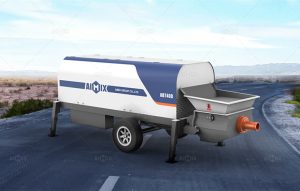
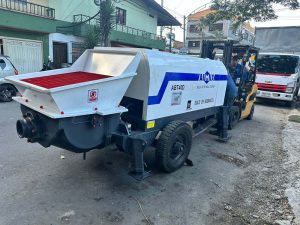
    Electric Concrete Trailer Pump with Reasonable Price in Colombia

  • Tips for Using Portable Concrete Pumper for Small Apartment Building

    When it comes to constructing a small apartment building, the choice of equipment plays a significant role in ensuring the project is completed efficiently, within budget, and with high-quality results. One of the most effective and versatile pieces of machinery for small-scale construction projects is the portable concrete pumper. This equipment combines the benefits of both a concrete pump and a mobile unit, offering unmatched flexibility, efficiency, and convenience on construction sites. In particular, the mini concrete mixer with pump provides an even more compact solution, ideal for smaller apartment building projects where space and maneuverability are essential.

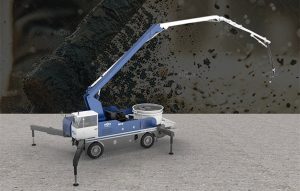
    Wheel Chassis Boom Type Portable Concrete Pump with mixer

    In this article, we will explore essential tips for using a portable concrete pumper effectively when building a small apartment. We’ll cover everything from setup and operation to maintenance, ensuring that contractors and workers can achieve the best results with minimal downtime and maximum performance.

    Choosing the Right Concrete Mix

    Before you start using a portable concrete pumper, it’s essential to ensure that you’re using the right concrete mix for the project. For a small apartment building, you’ll likely need a high-strength concrete mix, but the exact formulation depends on factors such as the type of foundation, weather conditions, and building requirements. You can either purchase a pre-mixed batch from a supplier or mix your own.

    When using a mini concrete mixer with pump, the mix must be consistent, with the correct water-cement ratio, to ensure smooth pumping and proper setting time. It’s important that the concrete is not too thick, as this could cause blockages in the pump. Conversely, a mix that is too runny may result in a weakened foundation. Aim for a mix that has a medium slump, around 4 to 6 inches, for ideal pumpability.

    Proper Setup and Placement

    Setting up your portable concrete pumper is just as crucial as the mix itself. Since space is often limited on construction sites, especially for smaller projects like a small apartment building, positioning the pump and mixer correctly can save a lot of time and trouble. Here are a few tips for setting up:

    Location: Position the pump as close to the pour site as possible to reduce the distance the concrete needs to travel. This reduces strain on the pump and increases efficiency.
    Clear the Path: Ensure there are no obstacles in the path where the pump and mixer will be moved. A clear, flat surface ensures the stability of the equipment during operation and minimizes the risk of accidents or equipment failure.
    Stabilize the Pump: The portable concrete pumper must be securely positioned. Use leveling devices to make sure the machine is stable, especially if the terrain is uneven. You don’t want the equipment tipping over or shifting during use, as this could lead to accidents or spillage of the concrete.

    Checking Equipment and Connections

    Before you begin pouring concrete with a portable concrete pumper, inspect the equipment thoroughly. It’s always better to catch any potential issues before the work begins, as running the machine with minor problems could lead to bigger issues down the line.

    Pump Inspection: Check the hydraulic system, hoses, and connections to ensure there are no leaks or cracks. Leaky hoses can reduce the efficiency of the pump and could also cause a mess, wasting concrete.
    Mixer and Pump Alignment: Ensure that the mini concrete mixer with pump is correctly aligned with the hose and boom. Any misalignment can cause pressure buildup, which may lead to blockages or premature wear on the pump.
    Calibration: Make sure the pump is calibrated to the desired pressure and flow rate. An uncalibrated pump can lead to inconsistent concrete delivery, resulting in poor quality in the foundation or other poured areas.

    Controlling the Flow and Pressure

    Once the setup is complete and the equipment is inspected, it’s time to start pumping concrete. When using a portable concrete pumper, it’s critical to maintain proper control of the flow and pressure to ensure a smooth and even pour.

    Start Slow: Begin pumping the concrete at a slow and steady rate. Gradually increase the speed as the mix flows through the hose, allowing the concrete to settle into place without creating air pockets or voids.
    Monitor Pressure: Always keep an eye on the pressure gauges to ensure that the pressure remains consistent and within the recommended range. If the pressure becomes too high, you risk damaging the pump or the pipes. Conversely, too low pressure will cause weak or inconsistent pours.
    Even Distribution: For the foundation or floor slab of the apartment building, aim to distribute the concrete evenly across the area. This ensures that the mix is compacted properly and avoids creating gaps or weak spots in the foundation.

    Maintaining Continuous Concrete Flow

    One of the primary advantages of using a mini concrete mixer with pump is its ability to maintain continuous concrete flow, which is essential when pouring large volumes, such as for apartment building foundations. However, keeping the flow consistent is not always easy, especially if you are dealing with multiple floors or narrow spaces.

    Manage the Pipeline: Ensure that the pipeline is free from bends, kinks, or any obstacles that could block the flow of concrete. A smooth and straight path is essential for the pump’s efficiency.
    Regularly Check for Blockages: Even if everything appears to be running smoothly, it’s wise to periodically stop the pump and inspect the hoses and pump unit for potential blockages. Blockages can occur due to the mix drying out, or aggregates clogging the pump’s mechanism. It’s better to catch these early before they lead to serious issues.

    Maintaining the Equipment

    Proper maintenance of the portable concrete pumper is vital for ensuring its longevity and preventing malfunctions during critical moments of the project. A well-maintained pump will perform better, reducing downtime and increasing productivity on site.

    Daily Cleaning: After each use, clean the pump, mixer, and hoses thoroughly. Concrete can set inside the machinery, leading to wear and tear if not cleaned properly. Use water and a cleaning agent specifically designed for concrete pumps to wash away any residual mix.
    Lubrication: Regularly lubricate the moving parts, such as the boom and pump joints, to keep them functioning smoothly.
    Component Checks: Inspect the pump’s hydraulic system, electrical connections, and other components regularly to identify any signs of wear or leaks before they become problematic.

    Safety Considerations

    Safety should always be a top priority when using a portable concrete pumper. Concrete is a heavy and potentially hazardous material, and improper handling or machine operation can lead to accidents and injuries.

    Operator Training: Ensure that all operators are fully trained in the use of the mini concrete mixer with pump and understand the machine’s controls, safety features, and emergency procedures.
    Personal Protective Equipment (PPE): Operators should wear the appropriate PPE, including gloves, safety goggles, and steel-toed boots, to protect themselves from concrete splashes and potential accidents.
    Monitor for Spills: Be mindful of any spillage during the pumping process, as wet concrete can be slippery and dangerous for workers.

    Handling the Pouring Process for Multi-Story Buildings

    If you’re working on a multi-story apartment building, it’s essential to manage the pumping process in stages. For taller buildings, consider using a secondary boom or pump to reach higher floors efficiently. Using a portable concrete pumper in combination with a secondary pump can ensure that concrete is delivered smoothly and evenly across all levels.

    Using a portable concrete pumper for pouring the foundation or structural elements of a small apartment building is a cost-effective and efficient method for concrete delivery. By carefully choosing the right mix, positioning the equipment, controlling the flow and pressure, and maintaining the machinery, you can ensure that your concrete work is completed smoothly, safely, and within the project timeline. By following these tips, contractors can maximize the performance of the mini concrete mixer with pump, achieving superior results and avoiding costly mistakes during construction.

    Crawler Chassis Boom Type Portable Concrete Pump with mixer